Get weekly tips, recipes, and my Herbal Jumpstart e-course! Sign up for free today.
What is Allspice Used for? with Asia Dorsey
Share this! |
|


What if our ancestors already found solutions for our modern health problems—and the answers are hiding in plain sight in your spice cabinet?
Allspice (Pimenta dioica) may be small, but as Asia Dorsey shares in this episode, its medicine is mighty. Used throughout the Caribbean, Central America, and beyond, this aromatic berry carries anti-fungal, circulatory, and even menopausal support (all while making your food taste incredible!).
But this conversation goes far beyond herbal actions. Asia weaves together ecology, fermentation science, ancestral cooking techniques, and herbal healing into a powerful reminder: everything we need is already here.
Along with spices, fermented foods (from wine to jun, sauerkraut to kimchi, and more) are Asia’s jam! If you’ve ever been curious about making your own living foods, you’ll definitely want to try her simple, delicious recipe for Living Habanero Hot Sauce. You can download a beautifully illustrated recipe card from the section below.
By the end of this episode, you’ll know:
► Why allspice deserves far more respect than its “holiday spice” reputation
► The surprising way this tiny berry supports women’s health
► How allspice (and many other spices!) protects the body from modern inflammatory stressors
► Why fermentation makes certain foods easier to digest
► How bioregional and ancestral herbalism can deepen your relationship with plants
► and so much more…
For those of you who don’t know her, Asia Dorsey is a bioregional rootworker and nutritional therapist centering gut-mind healing through ancestral food as medicine. She has apprenticed with wise women across the globe to discern the pattern language of healing though land and lineage. Her Colorado practice stewards 1:1 clients and mentored students towards embodied liberation.
This episode is a celebration of bioregional herbalism, cultural reverence, and the intelligence of food as medicine. I hope it inspires you to see your kitchen not just as a place to cook, but as a living apothecary rooted in lineage and place.
Click here to access the audio-only page.
-- TIMESTAMPS -- What is Allspice Used for
- 0:30 - Intro to Asia Dorsey + her plant path
- 20:23 - The role of love and attention in healing
- 28:38 - Botany and ethnobotany of allspice
- 34:22 - Benefits of allspice
- 37:55 - Benefits of hibiscus flowers and leaves
- 41:33 - How to work with allspice
- 46:27 - Seasonality and food traditions
- 48:57 - Living Habanero Hot Sauce recipe
- 1:05:31 - Allspice for menopause
- 1:07:49 - Asia’s Food Genius mentorship and other herbal projects
- 1:12:12 - New herbal skills Asia is working with
- 1:23:51 - Student spotlight
- 1:24:41 - Herbal tidbit
Get Your Free Recipe!
i

Connect with Asia
- Website | BonesBugsAndBotany.com
Transcript of the 'What is Allspice Used for' Video
Welcome to the Herbs with Rosalee Podcast, a show exploring how herbs heal as medicine, as food, and through connecting with the living world around you.
This conversation with Asia Dorsey absolutely floored me. Asia is wise, incisive, and just so beautifully articulate. The kind of guest you could listen to for hours. I found myself thinking about her insights for days afterwards, and I know for a fact I’ll continue to revisit many of her teachings that she shares here. She has this vibrant, radical approach to food as medicine that is both compelling and I would say deeply refreshing. I’m certain that you’re going to walk away with more than a few gems of wisdom, and if you’re anything like me, you’re going to gain a whole new respect for allspice. I have already ordered more myself to enjoy throughout these winter months.
If you enjoy this episode, please give it a thumbs up so more plant lovers can find us, and be sure to stay tuned until the very end for your herbal tidbit. I’m going to say this tidbit is especially intriguing. That’s my biased opinion, anyway.
Tired of herbal overwhelm?
I got you!
I’ll send you clear, trusted tips and recipes—right to your inbox each week.
I look forward to welcoming you to our herbal community! Know that your information is safely hidden behind a patch of stinging nettle. I never sell your information and you can easily unsubscribe at any time.
Rosalee de la Forêt:
Asia, I’m so excited to have you on the show. Welcome.
Asia Dorsey:
Thank you, so glad to be here.
Rosalee de la Forêt:
Absolutely! You’re—you’ve long been on my mind to have you on the show because we have a mutual friend, Mason Hutchison, who’s been—he just says every time your name comes up, he says the nicest things about you. We were recently conversing via email, and I wrote in to Emilie, the Project Manager for the show. I was like, “Please get Asia on as soon as you can,” and here you are, so I was really excited that it happened so quickly. I feel like for the past couple of weeks, I’ve just been fangirling you, checking out your Petty Herbalist Podcast. I’ve been looking at your website. I’ve been enjoying your—your emails as well, getting to know you through that, but now I’m looking forward to getting to know you through your own words and I’d love to hear about your plant path and what’s brought you here to us today.
Asia Dorsey:
Yes. Thank you, Rosalee. Queen Rosalee. Listen, I went to Iceland after hearing about your trip to Iceland. I was like, “I have to find Icelandic herbalists too!”
Rosalee de la Forêt:
I love it.
Asia Dorsey:
And I’ve been owing you for a long time as well, and really using and leaning into your teachings, especially your work around flavor. The depth of your understanding and protocols and thinking about what to do and when, and just all the things that you’re bringing to all of us as herbalists, I just want to uplift you and give you a shout out because-
Rosalee de la Forêt:
Thank you.
Asia Dorsey:
I’ve been a fan of yours for a long time, as well as this podcast, so it is awesome to be here with you. So, yeah, my plant path. My plant path—you know, I got on the plant path from getting sick. I grew up the—the beloved daughter. I was raised like a little prince here on the Cheyenne, Ute, and Arapaho territories, known as Colorado. I was raised in a way where all the women in my family doted on me and provided me with everything. They cooked. They cleaned. My one job was to do school and I did that excellently. And in relieving me from reproductive labors, I got to college in New York at NYU and I didn’t know what to do with myself. I didn’t know what to eat. I didn’t know anything, and so I found myself with clinical depression and 60 extra pounds of weight, wondering, sort of, how to—to get myself out of—of this—this hole, this deep, this terrible depression, this separation from self, this out-of-body experience that had become my life. I had a grandmother who was amazing, but also, I found that the more that she went to hospitals, the sicker she got. She’d have this black trash bag full of prescription drugs. I knew that that was not the route for me, and so, one of the things that I did during those times—I was an activist in the city doing stop—stop-and-frisk work, prison abolition work, but I was there for the environment. That was always my passion—was the earth.
I just started following aliveness because I felt dead inside, and nothing made me feel like I was in my body except one single woman: Vandana Shiva. Okay. Vandana Shiva. I would watch these food documentaries on Netflix, and this beautiful woman with this maroon bindi would show up and she’d be talking about Seed Satyagraha and GMOs. The way that she spoke, she just—she was so magical. I started just watching everything that had to do with her. I was like, “Wow! She’s so great! I love this!” She was the genesis of my ecofeminism and the deeply feminist herbal lineage that I have and that I practice. I kept following my goddess. I kept following Shiva. I was like, “I wonder if there’s a program that I could study what she’s talking about?” and oh, my God. I was at one of the only universities in the nation that had a food studies department. I started studying food studies. I’m like, “Oh, my God! This is everything!” I’m joyous. I’m happy. My friends are cool. They’re introducing me to the Farmers Market, like, “What is this? What is all of this?” I read a book called The Omnivore’s Dilemma. Have you read that one?
Rosalee de la Forêt:
It’s been a long time, but yes, yeah.
Asia Dorsey:
Yes, yes, by Michael Pollan. He’s talking about Polyface Farm, and I’m like, “What is this? What is this ‘treating a pig like a pig’ like? What is this idea? What—who—who is this man?” And I’m—so I’m learning. I’m like, “Ooh, permaculture. What is permaculture?” So, I arranged my academic studies to actually apprentice in permaculture with Geoff Lawton in Australia. I met Vandana Shiva at NYU and she invited me to Navdanya. Of course, I arranged everything to go and live with my goddess, obviously. So, I went on this—this whole journey traveling around the world to almost every continent, to learn about food, learn about growing food, learn about cooking food.
I ended up in New Zealand with a permaculturist named Kay Baxter, at the Koanga Institute where I learned the depth of not only saving seeds, but growing food like my life depended on it. It was there that Kay introduced me to the idea that I could heal my depression through healing my gut. It was at her farm, which was a community land trust, that she really introduced me to biological agriculture, growing nutrient-dense soil, re-mineralization, ancestral nutrition. She had me reading all of these books and explaining it to her, so I was really embodying the teachings, and then of course, I’m tending chickens and all of these things. It was there that I healed my first discomfort. I had a death allergy to cats. There was a cat there named Buddy. God, Buddy. Buddy was the worst! This cat would not get off my case. I knew that I didn’t want to take Benadryl, because I didn’t want to take pills, but I needed to figure out how to live with this cat that I’m wheezing and allergic to, and that’s attacking me all the time.
It was the first time I researched what allergy was. I researched how allergy worked. “Oh, okay. This is a histamine response. Okay, there’s inflammation there. Okay.” I reversed engineered. I was like, “Okay, what’s an antihistamine? Oh, nettle. I think I saw some nettle in the cabinet. Ha. Okay.” I’m like, “Okay, what—what challenges inflammation? Okay, quercetin and Omega-3 fatty acids.” But I’m on this farm in New Zealand, so I’m like, “Ugh. Can’t get fish oil to the farm, and where am I going to get quercetin from? Oh, okay. Quercetin is in the lining of the citrus that’s on that tree right there. Got it! It’s in the pith. Got it! So, I’m just going to eat mandarins everyday. Check. And then I’m going to stew up this nettle.” I’m like, “Nah, I don’t like this tea. I’m going to put a lot of nettle,” so I’m brewing my nettle black. This is before I learned about herbal infusions. I’m brewing my nettle black. I’m like, “Okay, I’m peeing a lot. I’m going to keep adding herb until I’m not peeing as much.” I’m like, “Oh, okay. Now, I’m not peeing anymore.” So, I’m eating the mandarins.
I’m brewing up big pots of black nettle, and then I am going around and I’m cutting fresh herbs. I’m cutting fresh, green herbs, and I’m feeding those to the chickens, and those chickens start to produce these bright, dark, dark, dark, orange yolks. Those yolks, because of all the Vitamin A from the greens I was feeding the chickens, are also going to be balanced in Omega-3 fatty acids, and so the way that I got my Omega-3 was from the eggs of those chickens that I was feeding every single day. After two weeks, I was not allergic to cats anymore and that lasted for over two years. I mean, over eight years. It came—it came back, which was fascinating, but the fact that I could live my life without this fear of this kryptonite, and that I was able to do it with my own hands. I learned so much from Kay. She was so important and she put me on the path of food as medicine. She also taught me what to look out for. She was a fan of Sally Fallon, and so I’m like nourishment—oh, and I got into—so I came home. Basically, I went back to Nueva York. I took on the gut healing protocol that Kay introduced me to and I healed my depression as a—you know—in college with just—with just food. I developed synesthesia so I could hear the sound and the taste of food and I—I got it. I was like, this is real. Microbes are real. Healing is real. Food is real. Okay.
When I got out of college, I came back home and with the help of a Jain Indian chef named Milan Doshi, I started the Five Points Fermentation Company to bring those probiotics that had healed my depression to the people. It was during that time that I had my first business straight out of school. I didn’t know what the hell I was doing. I didn’t—I didn’t—all I knew was that I was making beautiful flavors, and to make the best flavors I needed fresh plants, so I’m harvesting. I’m wildcrafting. I’m making two different flavors for a drink called “jun” that I—like a green tea and honey beverage that I used to make, was doing I don’t know—60 gallons of jun a week and selling that at Farmers Markets-
Rosalee de la Forêt:
Whoa!
Asia Dorsey:
Using local Colorado honey and local fruit, and all these things, and—but—but all of a sudden, people were like, “Oh, my God, my anxiety is gone from your bomb-ass lemon balm lemonade.” I don’t know why that is. I just wanted to make a delicious lemonade and I’m harvesting this fresh lemon balm. I didn’t know why people were getting these different healing effects from my beverages and the things that I was making. I got the probiotics, but some of the things that they’re like, “Oh, my sciatica,” “Oh, my”—and I’m so—I’m nervous. I’m like, “Ooh, I don’t really know what I’m doing and people are”—it felt like a responsibility because I was manufacturing gallons like I was just—I was in business. But during that time, I was also experiencing anxiety, and specifically, panic attacks.
I had the privilege of studying with a group of “brujas” in a group called the “Ancestral Herbalism Healing Collective.” With that, we were bringing in different teachers from all over Colorado, because we believe that the medicine that we need is here. Everything that we need to heal is going to be where we are. It was from that group that my friend, Sarah Shavel—because I’m selling at all the markets, I am not sleeping. I’m learning how to take care of myself, but I haven’t quite gotten it yet. I’m still fresh out of college. I’m not depressed anymore, but now I’m dealing with anxiety. She handed me this little tincture of motherwort. You know about motherwort, Rosalee. I’m like, “What is this?” because I’m skeptical, you know. I don’t really think that plants work. I just—I’m just like, “Oh, no. It’s kind of cute, but umm, I’ve not”—you know—you’re going to give me a thing I don’t want.”
Anyways, honey, that girl handed me that tincture. I took two drops and my anxiety was gone. I said, “What? What is this?” and I started feeling guilty. I was feeling like a fiend because I finished the bottle and I was really embarrassed to ask her for more. I was really embarrassed so I had to go and ask my other herbalist friends, my other witchy friends. I would try their tinctures and they didn’t work. This person had made the tincture with high-grain alcohol. This person had made the tincture with dried plant material. I had to go back to Sarah and I was like, “Hmm. How did you make this? Can I have some more?” She gave me the big bottle next time. “Thank you” because I was feeling embarrassed, but that experience had me understand that medicine needed to be made like our lives depended on it. It was the small idiosyncrasies that changed if the plant did what we needed the plant to do.
I really devoted myself to medicine making and making medicine in a way that causes immediate impact, so that looked like going back to school studying bio, chem, organic chemistry, and all of these things to understand functional groups and extractions. All of this stuff and after all of these studies, all of these experiments, all of this scientific way of understanding how to make medicine, I found that the most powerful medicine was the medicine that was made like food. It wasn’t surface area and extraction and all of these things that made the best plant remedy. Actually, my best remedies are from the whole plant—perfect and complete. And so, you know, I’ve—I’ve become quite sophisticated in my medicine making game. Since then, very, very sophisticated, but the—the most fascinating thing about this level of sophistication is that sophistication is derived from simplicity. I thought making a spagyric, which is an alchemical preparation where you separate the spirit and the flesh and the soul of the plant. This long, drawn-out process—I thought this spagyric was the ultimate form of medicine making, but then I realized that to make a tincture with the living plant is to have the flesh, the spirit, and the soul there already.
Rosalee de la Forêt:
That’s beautiful.
Asia Dorsey:
No need. So, yeah, learning that it is the food-based methods of preparing plants and that it’s about honoring the deep simplicity and not about these scientific principles. The remedies I made in the scientific way were nothing compared to the ones that I made in the traditional, simple way. That was a big teaching for me. After doing my fermentation company, healing guts and all that stuff is wonderful—selling my microbes for a living, I started devoting myself more to the plant path and more to offering people the knowledge of how to do this themselves and developed my own practice as an herbalist and as a healer. Yeah, that’s—it’s a long, kind of drawn-out story, but over the years, I have apprenticed and mentored with some of the snazziest herbalists in the game. I’m really grateful for all of my teachers that really got me to this path that I’m on now.
Rosalee de la Forêt:
It’s such a beautiful story. I love how that’s woven together. I just have this sense of you, Asia, as this—this seeker of knowledge that has taken you across the world as you’re looking for things and how that was really fueled by your experience. You’re really being fueled by your experience, whether you’re working with—dealing with your own depression or dealing with your cat allergy or anxiety. You’re really fueled by that and moving forward with it, which is just really beautiful.
Asia Dorsey:
I really believe that liberation is a felt experience. I really, really believe in embodied liberation, and so, when our—if we can use the plant remedies to support our mental and physical health so that our day-to-day experience is of beauty, I feel like that’s where liberation lives. It’s not this thing in the future where we have to get to. It’s a “right now” and the plants can give us access to that right now. Any—it’s a journey to love yourself so much that you don’t allow illness to settle on your bones.
Rosalee de la Forêt:
Oh, my gosh. I have goose bumps! That was really powerful. When this comes out, I’m going to listen to that over and over again. That’s really beautiful.
Asia Dorsey:
And the journey—the journey is not about being perfect. It’s just about shortening the time between the call and the response more and more each day. When I was disembodied, I would run into things, get bruises, get scars, get cuts, get scrapes, like I’d—I’d burn myself with food. Just all of this—all of these things that represented my relationship to myself, but becoming an herbalist, it was like, “A cut? Oh, yarrow. Let’s test the yarrow remedy. There’s the comfrey.” Just like that—that thing, that practice of tending to yourself and not allowing for pain to settle or not allowing for bruises to go unloved, for scars to form, just that like—that responding to yourself. I just remember the old days when that response was that—not there. As we cultivate our power as women, as herbalists, we can respond to the subtle things, like things showing up in the dream world or small sensations; or we get curious and alive to our bodies in a way that’s quite incredible. I acknowledge that that takes some time, and we cultivate that over time.
Rosalee de la Forêt:
I feel like that’s exactly what I needed to hear today, Asia. I’m dealing with this foot injury that’s been going on for a couple of months. I think for a long time, I just wanted it to magically go away. I’ve been kind of hoping for that and just what you shared—just the—the intense love we can have for ourselves to prioritize that healing. I think I’m at that stage now where I’m like, “Okay, this deserves my full attention. It deserves my full love.” I think that’s what it’s going to take to finally heal from it as well. It’s just the real—the focus on it. Having that come from a place of love just sounds so beautiful because in some ways, I just—yeah, I want to ignore it so it gets better? If that makes sense.
Asia Dorsey:
Yeah, yeah.
Rosalee de la Forêt:
But it’s not working, so yeah, it’s time. It’s time to try a different—different method now.
Asia Dorsey:
That foot is talking to you, baby.
Rosalee de la Forêt:
Yeah, yeah.
Asia Dorsey:
Ooh, somebody wants you to rest your feet, honey.
Rosalee de la Forêt:
I know. It sucks.
Asia Dorsey:
Somebody wants you to rest your feet.
Rosalee de la Forêt:
Yeah, yeah, yeah, yeah. Part of me was hoping if I just kept walking on it, it would just work itself out, but no, I think you’re right. I’ve been—been—something’s been calling me to rest for a while. I love the way you frame it just from a place of love that’s so much more hopeful and beautiful than—than a place of—I don’t know. I don’t want to say “punishment,” but just—it’s just been kind of a bummer, so.
Asia Dorsey:
Yeah. I mean, it’s a bummer to have that hurt and that pain, but when we realize that our body is constantly communicating with us and it’s asking us. I had all these bumpies show up on my face, and they’re—I’m like, “Oh, that’s inflammation and it’s only on the chin. Hmm.” You know—and ‘cause I’m vain. I’m vain. I’m a vain girly. I’m a beauty witch, and so something showing up on my face is like-
Rosalee de la Forêt:
It caught your attention.
Asia Dorsey:
It caught my attention, but I’m being really sweet with it like, “Okay, what—what does this part of my face represent in different traditional cultures?” What—what is it that my face is trying to tell me about this particular meridian or this—and what is it about my speech maybe, or what is the lesson? What is my body trying to say to me?” It’s cool because we’re herbalists, right? We can kind of play around and not hurt ourselves. We’re not running to the drugstore. We’re not getting a pharmaceutical at first. We—we love the spectrum of medicine, but as herbalists, we don’t have to touch the dangerous things until it’s time for that. We actually get to play. We get to say, “Hmm, I wonder if this calendula salve is going to speak to this inflammation and maybe something in the medicine of calendula is—is trying to communicate something to my soul right now.” So, it’s this fun thing of like getting curious, testing out our safe, simple and effective remedies, and then learning something about what—what our spirit, what our soul wants as communicated through the flesh. So, yeah, I don’t know what these bumpies on my chin are communicating with me.
Rosalee de la Forêt:
Yet.
Asia Dorsey:
Something is clearly not working, but I’m about to learn about the chin. I’m going to have a strong chin after this. I’ll keep—I’ll keep my chin up from now on and—like there’s—there’s something here. That’s what we get to do as herbalists because when we heal ourselves, we get to then share that healing with others, and that story—the story medicine of that healing as well.
Rosalee de la Forêt:
It’s such a beautiful mindset too, Asia. This is going to be totally random, but our friend, Mason, just recently told me about one of his favorite players is Damian Lillard in the NBA. He—he ruptured his Achilles’ heel last year. He told—this is Mason telling me the story that he’s laying on the ground—Damian Lillard is laying on the ground and he knows that he just really screwed up his Achilles’, and the thought that came into his head was, “I’m about to come back from an Achilles’ injury.” That was his mindset. That’s what I hear you saying. You’re like, “I’ve got this thing going on, these bumpies on my chin, but I’m going to”—like, you know, “I’m going to through that story. I’m going to listen. I’m going to turn to my plants and then I’m going to come out in a much stronger way,” and that is such an empowered, embodied way of approaching healing that, again, just feels really inspiring.
Asia Dorsey:
Thank you. Thank you. I had to leave my body in order to learn how to stay in it.
Rosalee de la Forêt:
I’m so glad you came back so you can share it with us. I’m feeling very inspired.
Asia Dorsey:
Thank you. It’s good to be here. Yes, it is good to be here.
Rosalee de la Forêt:
Hey there. Just a quick note: if you’d like to hear from me in a more personal way, I’d love to have you in my free text community. I send a couple of texts every week, things like behind-the-scenes updates, herbal thoughts that I’m chewing on, and little sparks of joy I don’t always share anywhere else. To join, just text the word ROOT to 1-509-383-8398, and if you ever want to break up, no hard feelings. Just text STOP to the same number and you’ll be opted-out immediately. My goal is to make it so juicy and so fun that you look forward to getting my texts each week. Okay, now, back to the show.
I’m really excited to hear about the plant that you have chosen for our conversation because this is a plant that I have been reaching for more and more recently. It’s kind of, I think, underrated. It’s often just thought of as a spice ingredient, but it’s something that we’re often putting into our food. Lately, I’ve been having a lot of spiced teas and adding it to the spiced teas. It’s that time of year. So, I’m curious how you came to choose allspice for us today.
Asia Dorsey:
Allspice, Pimenta dioica is its Latin name, and my relationship to allspice has followed in lockstep with my relationship to hibiscus.
Rosalee de la Forêt:
Ooh.
Asia Dorsey:
So, making and following the trail of the red drink, I have been learning about all the cultures who hold this plant from Egypt to Jamaica, to West Africa, to Nigeria, to Ghana, and all the different variations that this drink is made. It’s my Caribbean gals who have showed me how to make kind of—maybe sorrel, and their sorrel is often using allspice berries. Me, I’m—I’m a simpler in my—in my medicine way. When it comes to healing things, I like to use one plant at a time. When it comes to cuisine, which is also healing, we mix a lot of stuff together and that’s just why food is so powerful. I’d be trying to figure out how to slim things down, so I can tell the story more powerfully. I started experimenting with just—just Roselle—just hibiscus with just allspice. Because it’s all the spices, so why do I need anything else? It’s been so useful. It’s been so useful and I just—I love that. I love that accompaniment.
I’ve just been sitting with Caribbean folk medicine. I’ve been introduced to it through my study of African traditional religions, the ATRs, and so sometimes my Olorisha will tell me to take allspice berries and turn it into an oil and put that oil on my hands. As I am getting to the root of the African traditions of medicine like Rootwork, I’m learning the pattern language or what our ancestors were up to with using herbs for different spiritual or social impacts, and so allspice has been in my medicine bag. It’s been an herb that is allowing me to understand the pattern language of circulation, the pattern language of pungency, the pattern language of anti-fungals. And, yeah, so it’s been one of my root plants and I’m so grateful that I’m able to access it. I don’t like how we got access to the plant from the spice trade and slavery in Jamaica, and standing here now, I just want to thank everyone who brought this plant to me and everything it took to get it here.
Rosalee de la Forêt:
Is it originally from Africa? Because I always think of it as coming from more Jamaica and the Caribbean.
Asia Dorsey:
Yeah, that is where it’s indigenous to. We see the plant used sort of in the Greater Antilles which include Southern Mexico and parts of Central America. We’ll see allspice in Mayan traditional medicine, where they’re using it to embalm people and for specific rituals and ceremonies. We’ll—there’s a—there’s a—a lot of places where we can pull knowledge from this plant from based off of where it is indigenous to. For me, in studying allspice, I’ve been centering Jamaican ethnobotany and ethnobotanical traditions to learn of the plant. It can and it does grow in these other places, but it’s—the plant, one of the reasons why it’s so special from Jamaica is that in order to germinate the plant itself, you need the exact conditions of Jamaican soil including the birds. The plant won’t germinate without going through the digestive system of birds that are only local to Jamaica.
Rosalee de la Forêt:
That’s amazing. I love that.
Asia Dorsey:
Yeah! It’s like—it’s very rooted in that place. The Dutch and other folks have not been able to cultivate it outside of Jamaica.
Rosalee de la Forêt:
Wow! Wow, so does that mean the majority of our allspice is coming from Jamaica?
Asia Dorsey:
Absolutely.
Rosalee de la Forêt:
Wow!
Asia Dorsey:
The vast majority is coming from Jamaica, and so, I’m like, if we’re going to figure out—if we’re going to learn about a plant, you learn about the people who have shepherded the plant. Studying the jerk, like how jerk is made—it’s such a beautiful—and it’s a deeply indigenous process. It’s like slow cooking with lots of spice. This particular spice, why it’s so important with meat—one of my favorite areas of study right now is the pattern language around inflammation and food, and what we can learn from our ancestors about how to eat food in a way that’s less inflammatory. We have a lot of literature coming out of the scientific tradition. You follow that literature, the only thing you’ll be eating is water.
Rosalee de la Forêt:
Yeah.
Asia Dorsey:
You’ll eliminate everything!
Rosalee de la Forêt:
Yep.
Asia Dorsey:
I’m like, “Umm, no, that’s not necessary. We should—thanks for telling us about lectins, Mr. Gundry, and also, what are the ancestral and traditional ways that our ancestors have dealt with a thing like lectins. It’s there that we find the magic and the medicine, and the pattern of healing and being in good relationship with food.
And so, in terms of the inflammatory compounds that we get from cooking, one of those is called “glycation” and it turns into advanced glycation in products in our bodies. When we’re cooking food that—in a dry way at high temperature, we—we get this kind of side effects that actually age us. Ages. But there are a cache of ancestral technologies that reverse this aging process. One of these technologies is spice. Okay, one of these technologies is spice. Plants like allspice have anti-glycative properties, so even if we are cooking food and it glycates, the addition of these spices can change the—the level of inflammation that we experience. So, yeah, that’s been one of my favorite lenses through which to understand the function of allspice in food. The reason that we might use allspice in baking, which is dry and high—reasons why our ancestors are using spice in baking at all, the interplay between allspice, which is anti-diabetic in a sugar-sweetened beverage.
Why—why these pairings exist? I find that these pairings exist because our ancestors were ingenious, and that genius is not concentrated in a particular racial group or time. In order for us to be here, there’s one thing that we had to get right, and that one thing was food, baby. We had to get food right. I find that there’s no new innovations that we need in food; that actually, we have every single thing that we need to eat to live. All the templates exist in our ancestral culinary repertoires. So, the pattern language of blood sugar regulation lives in—in sorrel. We could find the entire pattern in sorrel. We really can. Everything from the selenium and the chromium, specifically, that is in the hibiscus leaves. Chromium is used to metabolize sugar and selenium. It’s a powerful DNA-protective, antioxidant. The sugar—it’s just—it’s perfect. There is this overriding perfection that exists in every single one of our cultures. It is my joy and pleasure to discern it. It is my absolute joy and pleasure to bring this knowledge back so that we honor—honor our people even if they made mistakes; even if their social structures were crappy; even if, even if, even if, still, they got food right. They got food right, baby. Yes.
Rosalee de la Forêt:
From the like—I love that it’s also from a medicinal standpoint, from a nourishment standpoint, from a traditional, heart-filled standpoint. But also, it just tends to taste really good too. There are so many reasons here. I loved what-
Asia Dorsey:
Oh, please, please.
Rosalee de la Forêt:
Oh, I was curious just because you mentioned the hibiscus leaves. I haven’t had the opportunity to work with leaves very much of hibiscus, so I just thought that was really fascinating too. I know that they are eaten and used—worked with as tea as well, but that makes me—just you saying that, it has inspired me to try and grow the plant again in my Northern climate and give them a try.
Asia Dorsey:
Yeah, the leaves. One of the specialties of West Africa is drawing soups, and especially, the entire Mallow family from which hibiscus is a part. Most of the mallow plants are indigenous to West Africa. There’s this tradition of drawing soups—these slimy, mucilaginous-rich soups. Some of my favorite soups from Nigeria are using the leaves of hibiscus because that’s where we could find most of the—the mucilage and make it into these drawing soups and it’s delicious! Yeah, every part of the plant, and we find that when we go to where the plant is indigenous, we’ll see the greatest diversity of uses. We’ll see the full expanse. That’s when we’ll see them using every part of the plant. And that density of use, I find it’s—it’s kind of like density of language, density—it just tells us about how foods and plants are moving about the world. This is one of the places we can go for reliable information about that plant. I love seeing how different cultures take the same plant and sometimes they’re using it in the same way, but sometimes another culture figures out something else, and that’s cool because they’re innovative; like wow, this is alive! Look at all this knowledge. Look at all the ways that people have fallen in love with the goddess; fallen in love with the earth through the vehicle of food.
Rosalee de la Forêt:
Yeah, it’s so beautiful. With allspice, you mentioned that it’s used as maybe a dry rub. I’m envisioning it’s on meats and stuff as a dry rub because—and talking about the glycation, rosemary is kind of similar in that way too and really protective in that way. Working with hibiscus, I have to try that now, a Jamaica drink with hibiscus and allspice. That sounds really lovely. [crosstalk]
Asia Dorsey:
I just heard about—I just heard about a drink with rosemary, and it’s—and it has one of the same pattern languages, like adding a warming, circulatory to one of the coldest drinks on the planet. The temperature of bissap, sorrel—it’s very cooling. It’s terribly cooling if you’re drinking it in the winter in Colorado. Some of our—some of our girlies also add rosemary because it’s the same pattern language of using a plant to warm up a cooling drink. Yeah, yeah, we love rosemary.
Rosalee de la Forêt:
Lovely. Are there any other ways that you like to work with allspice that you’d like to share? And we definitely have to talk about your recipe because that’s amazing. I’m so excited to try this out.
Asia Dorsey:
Yes, oh, my gosh. Other ways to work with allspice—allspice is often one of the ingredients making bomb pickles. I’m a fermentation girly, obviously, because the microbes saved my life. I—I love fermenting allspice. It’s used in chutneys. Allspice was incorporated in Ayurveda through British—British colonial influence. The Brits brought allspice to India. The Indians are like—the Indians—they can incorporate anything. Okay. They quickly learned the medicinal values and the values of allspice and incorporated it into curries, into beverages, into kind of chutneys—all kinds of things. So, it’s used there. Yeah, allspice is—can be used anywhere where you’re using nutmeg, anywhere where you’re using nutmeg, cinnamon and clove. It has some—some of the same compounds as nutmeg, cinnamon and clove. I find—because I like the idea of using one spice that it can work in any kind of dish where those spices—it’s great in mulled ciders. It’s just—it’s so diverse, but it does have the mystran— myristicin that’s coming from nutmeg. It has the eugenol, which is the chief, sort of volatile constituent of clove. It has cinnamic acids. When they say it’s “allspice,” it’s because literally, the exact same volatile compounds are showing up.
Rosalee de la Forêt:
That’s fascinating.
Asia Dorsey:
Yeah! It’s truly that. It’s cool because food—because medicine—and you know this more than anyone because you’ve really put a lot of effort into it. You know that medicine communicates through taste, and so, understanding the taste—this is a warming, pungent herb. What it tastes like tells us what constituents are in it, so it does have the cinnamon, the clove and the nutmeg constituents. Making-
Rosalee de la Forêt:
Now, I really want a good cookie with all of that in it or I’ll even take a pumpkin latte whatever-
Asia Dorsey:
Ooh, hoo!
Rosalee de la Forêt:
Want it all.
Asia Dorsey:
Pumpkin spice lattes are ingenious. I know people are mad at everyday girlies. People love to be mad at white women, especially. If there’s a trend that white girls like, the people are like, “aah.” Excuse me. Leave them alone. This is a perfect beverage for the fall. The Vitamin A, which is going to be one of the chief, in my opinion, vitamins for immunity. It’s coming in from that pumpkin. That sweetness is being countered with those beautiful spices. Those spices are supporting the lungs with the pungency. Sugar is sweet, okay? Sugar is sweet. We’re allowed to have our sweets. We deserve—it’s a perfect drink! No one should come for them or anyone else who’s eating pumpkins during pumpkin season.
Rosalee de la Forêt:
I think this crazy fad of the pumpkin spice latte is really also this deep yearning for tradition, deep yearning to be seasonally connected in a world that is increasingly not connected to the seasons. I applaud it. I’m just like, “Yes! Let’s celebrate pumpkins in the fall. Let’s have something to look forward to. Why not?”
Asia Dorsey:
Ooh, I love that “a yearning to be connected.” Yes, 100% that. That’s what food does. If you are in touch with your food tradition or any food tradition, you’ll find that that’s the best way to seasonally adapt. The—the meats, the kinds of things you’re having for each holiday, each holy day is actually a prescription for the entire season. Our ancestors embedded seasonal adaptation into the culture via holidays. That’s like if we continue to practice our holidays, then we can perti—continue to practice our seasonal adaptation. But, you know, sometimes the girlies become mad. They don’t want to practice anymore. They’re making stuff up! But it’s also, we were constantly becoming disconnected because we’re living in this illusion that the past is gone or that the past is not important, or that our ancestors were behind and we’re moving towards progress, which is not the case. That is the biggest myth that we have to confront is that things are getting better and better all the time. This myth of progress—it’s—it’s just a myth. Empires rise and empires fall, and we’ve returned to indigeneity many, many times in our history of humans. We’ve had many civilizations and each civilization comes with this myth of progress, which is then deconstructed and then we become hunters and gatherers again. This is the cycle. But anyways, yeah, our ancestors are quite sophisticated, giving us holy days that have the exact food you need to adapt to that season. Wow! Who woulda thunk it! That’s what love looks like over time.
Rosalee de la Forêt:
That’s beautiful, Asia. Please share a bit about this hot sauce recipe that you have for us because this looks so amazing. When we got this from you, my—the Podcast Manager, Emilie, she messaged me right away and was like, “Oh, my gosh! Did you see this recipe?” She was so excited for it. I’m excited for it. Please share.
Asia Dorsey:
Yeah! Okay, well, I—I wanted—I’m—I’m constantly trying to honor people’s food traditions like with my first company, the Five Points Fermentation Company, we had a curry kraut that was made by a Jain Indian chef. We had a kimchi that was made by Mama CJ. We used her family’s recipe exactly. This hot sauce is honoring Jamaica, but it’s also honoring the fact that I am not in Jamaica. So, what I’ve done with this recipe, the Scotch bonnet is the beloved pepper throughout the Diaspora. We know that peppers are indigenous to the New World, to Central America, to the jungles here. They were transported around the world because of the Columbian Exchange, but even in that transportation, each culture chose and developed over time a relationship to their pepper. Scotch bonnet is throughout West Africa and the Diaspora, including Jamaica. There is another pepper, which is the habanero, and that’s used more so in Mexican cuisine, and sometimes Scotch bonnets and habanero are confused. Scotch bonnets are very, very hot, but very, very flavorful. They have this rootiness to them that African and the—we can’t get enough of it. We love Scotch bonnet. Habaneros are very, very hot without flavor. And so, what I did because habaneros were available to me, I’m on the lands of the Cheyenne, Ute and Arapaho territories, gotta get in where I can fit in! I combined those habaneros with red bell pepper. The red bell pepper is going to be providing kind of that fruitiness. I think we added some lime . We added our allspice berries to it. We added mango.
Rosalee de la Forêt:
I was going to say the mango as well, that’s lovely.
Asia Dorsey:
I said—they said fruity. I said, “We’re going to bring the fruits, baby.” The tropical girlies are like (makes sound) Tropical girlies all over, whether it’s India or Jamaica or Mexico. They all have their relationship to mangoes, but I did my best to find red mangoes that might be used in Jamaica and to have them be ripe or not ripe yet, like a little firm, and that—that firmness gives us some starches to feed the microorganisms. We don’t want too much sugar that could push the fermentation towards more yeast.
This is a fermented hot sauce recipe using these ingredients. The reason why we are fermenting the hot sauce is because all of the plants in the Solanaceae family, which include the habaneros and the Scotch bonnets, they have anti-nutritional compounds. Those anti-nutritional compounds such as lectins, such as phytic acids, they hurt the people and the beings who are eating them because the plants—they want to reproduce. They don’t want us eating them, so they make all these nasties that make our stomach hurt, that inhibit our ability to digest food. But humans, we, our ancestors, have figured out that the plants don’t want to be eaten, so we’ve developed technologies like fermentation. And so, fermenting peppers, which is the tradi—one of the traditional ways of working with the peppers. The pepper people in Central—in South America, they will often remove the seeds from pepper products and they’ll bruise the skin. We’ll see this is in a baba ghanoush, roasting the aubergine over a flame. We see this roasted bell peppers, roasted tomatillos, roasted, roasted. They’re bruising and damaging the skin where the poisons live and they’re removing the seeds where the poisons live.
Another way to deactivate those poisons is with lactic acid bacteria, and so fermenting the hot sauce actually makes it easier on our digestive system. The lactic acid and the probiotics, they help to protect some of our mucosal membranes from being completely desiccated by the super pungent kind of hot sauce. I—I’m really, really—I’ve—I’ve just been really on it about fire cider. I am not a fan of fire cider. I’m not at all a fan of fire cider. I want people to make kimchi and move on with their lives. I wanted to make a hot sauce which is giving us some of the benefits of the fire ciders that we’re trying to produce, but grounding it in a cultural context that causes it to be very delicious like—so, this hot sauce has garlic. This hot sauce has onions. It has a lot of really great supportive ingredients, but it also tastes really good and it tastes correct. It makes sense in a culinary—I don’t know—my medicine, Rosalee, is all about make-it-make-sense. I don’t want to bring crazy things that aren’t from the same bioregion to get—that’s not my—that’s not my style. I like to honor place and my medicine making style is very similar, so I’m using Mediterranean herbs with Mediterranean recipes. There’s very specific rules about when I mix things together based off of what our ancestors have done.
Rosalee de la Forêt:
I think you would like my fire cider because I choose only ingredients that are grown here for my fire cider. I don’t have ginger, for example, which is sad to miss it, but I have the horseradish that I grow, the onions, the garlic, and then things like rose hips. It all comes—I call it my “garden fire cider” because everything comes from the garden.
Asia Dorsey:
That is correct. I mean, I—I don’t want to say that things are incorrect. I want to say that when we are making medicine, we should be reproducing our values as well. Helping people to remember that exotics are nice, but that everything that we need is—is right here. We don’t have to do the fancy-fancy. This recipe does have ginger because it is based in a tropical bioregion, so it is fancy-fancy, but we can also make hot sauces and things like that that are grounded and rooted where we are. That’s what I want to encourage with bioregional herbalism and bioregional rootwork—is this—this return to place. It’s also why I emphasize living medicines and making medicines with fresh plants because it’s far too easy to order whatever plant from around the world and make a remedy. When we are practicing bioregional herbalism, and working with fresh plants, it forces us to learn those plants, learn where they grow, learn the respect around harvesting them. We learn the whole cycle of the plants. We have to get it on time and we can have a direct relationship with that plant. I feel like the way that I make my medicine, the way that I make my foods is consistently reinforcing the same ideas. Everything you need you have. Everything you need we—you have. You can have it and in relationship—having real embodied relationship is—is worth more than gold.
Rosalee de la Forêt:
Yeah, it’s beautiful. I have a fermented hot sauce that I eat practically everyday. It comes from my local farm, so I don’t make it myself. I’m really interested in trying this recipe. I know other people will be too. Do you have any words of encouragement for anyone who might be feeling intimidated by the fermentation process?
Asia Dorsey:
Yeah. So, people, well: a shout out to you for supporting your local fermentation goddess, or king, or being, and what I love about community is that we actually don’t have to do everything ourselves. It is so much better to be woven in relationships of economy, and so I-
Rosalee de la Forêt:
I should just give them the recipe now that I think about it.
Asia Dorsey:
[crosstalk]
Rosalee de la Forêt:
[crosstalk] Thank you!
Asia Dorsey:
Yeah, yeah. I love—I love trade. The second thing, you know people are really afraid of fermentation, but the funny thing is that our ancestors used fermentation to make food more safe. This recipe, the way that I’ve designed it, I designed it for beginners in fermentation. I ran a fermentation company, so I was fermenting in a commercial kitchen at scale. We were doing 60,000 lbs of cabbage a year, okay?
Rosalee de la Forêt:
Wow, wow!
Asia Dorsey:
Organic, okay? I designed this recipe for the beginners, and so some of the ratios of how much salt, there’s—it’s—it’s safe. I made it easy for you to not fail, and even if you do fail, you’re going to learn something, baby. I’m just going to encourage you to try it on, see if you like it. The longer it ferments, it really ages exquisitely and it gets better. There are different turpentines, terpenoids, volatiles that are created via the fermentation that aren’t there before their medicinal qualities that exist because it’s been fermented. And the microorganisms—one tablespoon of this living habanero hot sauce is going to be the equivalent of an entire bottle of pills. Living food.
Like I said, food is more powerful than herbs and drugs and supplements. There’s something about the whole context of the food that really, shockingly medicinal. I designed this recipe to help protect your stomach with those sweet kind of ingredients that are—that are going to be more protective. And yeah, I just want—I want to encourage you to try it on. If you don’t want to make the complex Jamaican, with all the things, you can just do peppers and salt. You don’t—my favorite hot sauces are that simple. They don’t—I don’t add garlic or onion or nothing. I just do pepper and salt. So, just know that I’m here. You can reach out to me if you got questions or if it looks crazy. Cool thing about fermentation, if it looks crazy, smells crazy or tastes crazy, it is. You just toss it. It’s very—your—your fermented food doesn’t lie to you. This is not like canning, which can be a little tricky. Your fermented food doesn’t lie to you. It’s honest so you can see if it’s not good anymore. You just toss it. You just toss it and compost it. The earth loves to get all that gnarly stuff and create something beautiful from it, so remember to always compost your food. One of my teachers always says, “Don’t ever expect the plant to heal you that you just throw in the trash.” I’m pretty rigorous about composting, but if you can access composting, please do. If you can’t access it, the forest creatures love a snack.
Rosalee de la Forêt:
It’s so funny. I recently just did that. We had some reishi mushroom that was gifted us. It was fresh. We dried it and then we used it, and then we didn’t have access to a compost. I cannot take this reishi that I—from the forest and then put it into the trash, so we took walks out into the forest and just put it in little places, the spent reishi that we had already worked with. It just felt so wrong on that level.
Asia Dorsey:
We have to return it to the earth. Again, little—me being petty like this, it inspires us to behave in a way that’s coherent with our ancestors and regeneration of the earth like, “I’m going to be petty with you. Don’t put food in the trash. Return it to the earth.” Once we have those demands, we start fostering organizations like—I work with the women’s composting collective, Wompost.
Rosalee de la Forêt:
Oh, cool.
Asia Dorsey:
It’s a small business that I get to support locally. This is what I want us to be up to as herbalists, is not only being herbalists, but stewards of the earth, where our herbs are coming from. I do encourage you to push yourself to thinking about how to not have food waste because our ancestors did not waste food.
Rosalee de la Forêt:
Yeah, yeah. I love that you said that that it’s—the earth loves turning it, the snarly stuff into something beautiful again, so that’s beautiful. Also, just thinking tying back to the beginning of our conversation how this—this recipe—this hot sauce recipe is so alive, like this is a live food. You compared it to a bottle of pills. Just imagining the probiotic pill bottle. It is what it is. A probiotic—increasingly, we see—even studies showing that those have very limited effects on our overall well-being versus this incredible recipe that you’ve cultivated in this ancestral, beautiful way, and all the flavors, and just—I know I feel alive when I have my fermented hot sauce every morning with breakfast. It’s definitely a—a zing! Shout out to Willowbrook, by the way, them supplying my beautiful—this beautiful valley with their hot sauce. I’m really excited. Thanks for the encouragement too on the fermentation. And for everybody watching or listening, when you make this recipe, please post about it. We want to hear about it and hear about your experiences as well.
Hey, it’s Rosalee. You know, creating this podcast has been one of the most rewarding parts of my herbal work, and if you found something meaningful here, whether it’s a new perspective, a favorite recipe or just a sense of calm, I want to let you know there’s a good way to go even deeper. It’s called the “Podcast Circle.” Inside you’ll get access to live classes taught by some of my favorite herbal teachers, behind-the-scenes updates, and a beautiful library of herbal resources that we’ve gathered over the years. But more than that, it’s a space to connect with fellow plant lovers who care about the same things you do. And truly, your membership helps make this podcast possible. It’s how we keep the episodes coming and the herbal goodness flowing. So, if you’re ready to be part of something more, something rooted in connection, head over to HerbalPodcastCircle.com. I’d love to see you there.
Is there anything else you’d like to share about allspice before we move on?
Asia Dorsey:
Yes. I prepared for our time together, so I took a bunch of notes. I’m like, did I get this? Did I share everything?
Rosalee de la Forêt:
Oh, let’s do it.
Asia Dorsey:
Okay, one last thing that I want to talk about is with stimulants, especially aromatics. A lot of their medicine shows up through our body attempting to detoxify them, and so it’s the various organ systems of elimination—that is where we see their activities. I wanted to speak just a little bit to allspice and the reproductive system. One of the areas of the most research is allspice being used to support women and folks who are experiencing menopause.
Rosalee de la Forêt:
Interesting.
Asia Dorsey:
I just wanted to—to share that little bit to put you all on the trail, is also engaging with hormones and different things like that. But one of the areas of great interest is using allspice against the symptoms of—of menopause.
Rosalee de la Forêt:
That is so fascinating. I had no idea. I definitely want to look into that further. That’s still—if you had given me five options of different things, I definitely wouldn’t have chose that. That’s interesting.
Asia Dorsey:
Yes, yes. Learn that, get in touch with allspice. There’s something about this little berry, this little fruit. It’s doing some magic things. It’s sending sort of the blood, the energy, the medicine to all sorts of places; our lungs, of course, but it’s also working our reproductive system and I wanted folks to know that. Mayans use allspice specifically to—against, sort of, heavy menstruation, which is interesting. There—there’s a lot of sexual health with allspice that I encourage folks to explore.
Rosalee de la Forêt:
Oh, thank you for that nugget. Asia, as I had mentioned earlier, I’ve been fangirling over you, checking out all your offerings. I would love to hear from you about your offerings and how people can best connect with you and continue to learn from you as well.
Asia Dorsey:
Yeah, absolutely. Absolutely. I—my business, my work is based on relationship. I decided that I wanted to work with my best friends, and so I have my Petty Herbalist Podcast. My best friend, Karina DesRoses, shout out. I also have my Food Genius mentorship, and that’s with one of my best friends, Justin Robinson. Our Grammy Award-winning musician and ethnobotanist is bringing some of his magic to bear and leading a group of students through a year-long mentorship where you will learn the depth of food as medicine through deep connection with plants and in community. We’re taking on folks for an entire year. They get to be the object of my devotion. The object of our interest to get two award-winning educators to deepen and to transform their relationship to food through learning the plant families and the medicinal qualities of those, and building their own cookbooks based off of their ancestral lineage and the way their ancestors worked with these plant food families. So, yeah, it’s—it’s going to be a very special experience. It’s not going to show up again. Justin is very busy and as am I, but we are taking the time to—to walk with you hand-in-hand as you touch into the land; as you touch into the—the roots of—of who it is that you are and the food from that place.
Rosalee de la Forêt:
That sounds amazing! How can people find out more about that? Where should they go?
Asia Dorsey:
Absolutely. We’ll have a link available to you all to book an exploratory call with me. For folks who are interested, we can get you registered with the link. Book an exploratory call, talk to me so we could see what’s good for you.
Rosalee de la Forêt:
Cool.
Asia Dorsey:
And all of my offerings are at bonesbugsandbotany.com, and that’s where you can find the goods.
Rosalee de la Forêt:
Awesome! We’ll put that link in all of the show notes and I highly recommend signing up for Asia’s newsletter, checking out the Petty Herbalist Podcast, all of it. I’ve had such a good time doing that myself, so big recommend there. This Food Genius, of course, just sounds really amazing. Powerful! It’s a powerful offering.
Asia Dorsey:
I’m very excited to—to bring it to the people and to introduce food as medicine in a way that escapes the overly scientific, cold explanations that don’t make a lot of sense into a real, grounded understanding of how our ancestors have done this and how we can do it too. Learning food from the lens of an herbalist is a—a vibe. It’s a vibe, baby! We just—we want—we want folks to—to study deeply with us. This mentorship is—it is a mentorship. It’s a little different than a course. It’s more intense. It’s more hands on. It’s more high touch and you get a lot more access to Justin and I as teachers, so yeah, come. Come be with us. Come learn with us and we hope that you will find healing on so many different levels.
Rosalee de la Forêt:
Thank you for that, Asia. It’s going to be a really transformative mentorship. I can see it already.
Asia Dorsey:
Vibes! Yes.
Rosalee de la Forêt:
Before I let you go, I have one last question for you and I’m really excited to hear what your thoughts are on this, and that’s, “What’s a new skill or a new piece of knowledge that you’re working with right now? What’s inspiring you these days?”
Asia Dorsey:
That’s a good question. I think this—this idea of “living medicine,” it’s—it’s the topic of my—my book that’s going to be coming out. It’s this idea—I have an embarrassing story to tell. Can I tell this embarrassing-
Rosalee de la Forêt:
Oh, please.
Asia Dorsey:
What happened was I was studying nutmeg, okay? I’m in love with all the spices, and yeah, we have to love the spices. So, I’m studying nutmeg and I end up making a recipe that I allow to sit overnight. It was a horchata recipe. It was a Salvadoran horchata, so it included chocolate, cacao, different kind of things like that. And I missed one of the ancestral cues, which is—horchata is usually made day of and served that day. It’s rarely allowed to sit overnight or anything. This makes sense in the tropics because fermentation, spoilage, but we have refrigeration and things like that in the West, and I allowed this heavily nutmegged drink to sit overnight. What happened was that the fats extracted and amplified the volatiles from the nutmeg and it made me very sick. It was so bad. It was so bad, but I was so shook and it got me really interrogating this notion that food is actually more potent as a—as a delivery for plant-based medicines than kind of just alcohol or just—food actually potentiates the activities in ways that I don’t think anyone is—is recognizing. And so, I’ve just been so fascinated about the—the—what—what the food matrix is doing, and what is this contributing to our medicine.
I’ve been fermenting my sauerkraut with different herbs to see if it amplifies the medicinal qua—the cabbage and the food matrix is amplifying the medicinal qualities. Oh, my God, it is. All of these—these, my kitchen is full. You can imagine what my kitchen is like. It’s very wild. This idea of bringing herbalism back into the matrix of food, fully, fermenting it from scratch like medicinal wines, you think because it has less alcohol than high-grain or 100 proof vodka that is going to be less medicinal, but I am finding over and over again with all of my experiments that such is not the case, and that a 12% alcohol from a plant fermented from scratch is going to be three or four times more medicinal and we’re using less plant material. We’re getting larger quantities like there is—I am a little bit obsessed with returning plants to the food matrix as our primary method of healing. I lead people through gut-based initiations and gut healing because I know how to do it because I did it, but also I’ve studied it with some really important people. But me, understanding that when folks are just using meat stock—no one—no one has looked at the historical use of animals’ meat stock-based herbal, sort of delivery methods, and I am. It’s just—it’s just so cool.
I’ll share that that’s kind of what’s—what’s lighting me up. It’s truly merging food with medicine—food with herbalism in a way that is just kind of obvious if you—if you’re anyone’s Indian grandma. But for folks who have been displaced because their ancestors were hunted or burned, we had to separate food from medicine. We had to say, “No, no, no. We’re not healing with plants. We’re just making a soup.” We’ve kind of then allowed food to not be medicinal anymore, so now we have weird industrial food that actually makes you sick. It’s the opposite of what food is supposed to do. That's because we had to separate the two. What I’m really excited about bringing forward is merging them completely again in discovering that, yeah, tinctures were really great. It’s really cute that we did that. I’m so happy we can access osmosis and that kind of thing, but honey, making these wines, baby, ooh.
Rosalee de la Forêt:
Oh, my gosh, yes.
Asia Dorsey:
I’m bringing it back, so that’s what I’m—that what I’m alive about right now is all of my different wines and vinegars that I’m making from scratch and infusing the herbs into the meat stocks and the bone broths and seeing wow! Wow! This is more powerful than oregano essential oil and it’s just delicious soup with oregano herb. It’s working. It’s actually working and it’s safer. It’s actually safer than what we’re up to traditionally.
Rosalee de la Forêt:
And delicious.
Asia Dorsey:
And delicious! Hello? And culturally-relevant. Hello? It’s just—it’s all the things and that’s truly what I’m geeking out about.
Rosalee de la Forêt:
I have a mead that I make, Asia. It’s a fresh St. John’s wort with cherries because cherries are ripe at the same time, but they also give it a red color, which is you just have to have with St. John’s wort. But that, it’s like—it’s like joy in a cup. I mean, it’s like—it’s somewhat mind-altering. It’s so powerful in ways that—that is the most powerful way I’ve ever taken St. John’s wort is that—that fermented mead wine.
Asia Dorsey:
Wow, and I love how you chose ingredients that were ripe at the same time.
Rosalee de la Forêt:
Yeah.
Asia Dorsey:
You embedded that knowledge into the—you embedded it into the recipe. That’s so cool!
Rosalee de la Forêt:
Yeah, they’re meant to be together.
Asia Dorsey:
I’m sure it’s pure magic. A lot of people are like, “How do we deal with time change?” I’m like, “Hypericum. Hello?” Yeah, I—wow, yeah, that’s exactly what I’m talking about. That is exactly what I’m talking about. I think that—for me, that’s the height of herbalism. It’s—it’s—it’s bringing fermentation back into—into it. We’re not just extracting with osmosis and diffusion anymore. I want us to make literally living medicine, and that’s what I’m up to. With this recipe, that’s what I’m up to. In teaching this Food Genius course, that’s what my book is about. I want to make sure that our medicine is alive—from fresh plants, probiotics, because I know what it’s like to be dead inside. I—I follow aliveness now.
Rosalee de la Forêt:
I love that so much. I just love your enthusiasm for food as medicine. It’s something I’m very passionate about. Just hearing you talk about it makes me want to just jump on board even more. I think—I like what you said too. It’s like it’s great that we have tinctures. I wouldn’t take tinctures away from anybody. When I think about this meal that’s cooked by my husband that’s just so full of life—it’s from our local farmers or from our own garden. It’s just this amazingly prepared, delicious medicine on a plate and then you compare that to a bottle of tincture, it’s just like—again, I’m glad we have both. I’m not saying that we should get rid of tinctures, by any means, but it’s just day after day, these bowls and plates of delicious, nourishing, alive food can’t really compare to a bottle of tincture. You just can’t compare them.
Asia Dorsey:
You can’t but it’s—listen, we are moving through something as a culture as we’re returning back—as we’re turning back to—to the earth. So tinctures and all of those things, they have their place and they have their history, but once we’re fully there, the medicine is in the food because the—it’s—it can be translated over time through culture. But there’s also—y’all, the spleen stomach, which is an organ system in Chinese medicine—but getting the significance of that organ system in healing helps us to understand why embedding the medicine in food does so much more than when it’s just extracted. There’s some depth to this, honey. There’s some depth to it and some of our ancestors have already unraveled this depth, but we’re in America, so we’re—we have our own history with herbalism and we’re moving at our own pace. I hope to forward some of the work that you’re doing, some of the work that some of our elders have done, and to really infuse it with this Ashe; this life force that I got.
Rosalee de la Forêt:
Thank you so much for bringing your enthusiasm, for bringing your inspiration. Like I said, I’m feeling really inspired on so many levels, so thank you so much for sharing your wisdom about allspice and sharing this recipe. I’m really excited to hear what folks think about it. Thank you so much. It’s just been an absolute pleasure to be here with you and just soak you in a bit. It’s just I’m feeling super enthusiastic myself.
Asia Dorsey:
Thank you, Rosalee, and thanks to all the listeners. Thanks for all of our teachers that—that got us here. So grateful to have this time and space with you.
Rosalee de la Forêt:
Likewise. Thanks, Asia.
Thanks so much for listening. You can download your illustrated recipe card from today’s episode above this transcript and when you try the recipe for yourself, please report back. We love to hear how these recipes bring joy and learning to your life. If you’re not already subscribed, I’d love to have you as part of this herbal community, so I can deliver even more herbal goodies your way.
Tired of herbal overwhelm?
I got you!
I’ll send you clear, trusted tips and recipes—right to your inbox each week.
I look forward to welcoming you to our herbal community! Know that your information is safely hidden behind a patch of stinging nettle. I never sell your information and you can easily unsubscribe at any time.
This podcast is made possible in part by our awesome students. This week’s Student Spotlight is on Pamela Huerto in Saskatchewan, Canada. Pamela was a Rooted Medicine Circle student in 2025, and from the start, she really set the intention to live with curiosity, to embrace lifelong learning and to inspire others, and that intention really shines through her work. Her capstone project, Your Yard is a Universe, explored how our own yards are living ecosystems, and how paying closer attention can help reduce plant blindness in daily life. Pamela’s sit spot reflections, bird observations, and seasonal awareness beautifully demonstrates how slowing down and noticing what is already around us can transform the way we relate to plants and place. Congratulations Pamela, and thank you for being part of the Herbs with Rosalee community.
Okay, you have made it to the very end of the show, which means you get a gold star and an herbal tidbit.
We mentioned pumpkin spice lattes in this episode, and whether you love them or feel like the whole thing is a little overdone, here’s something truly delightful for you: Tori Amos may be the earliest documented creator of the pumpkin spice latte idea, and I’m serious here, right? So, here’s the story: Back in 1995, eight years before Starbucks released their pumpkin spice latte, Tori told a Seattle audience that she had her own coffee drink that tastes like pumpkin pie, calling it her “witch warmer.” A journalist later traced this quote while researching the history of pumpkin spice lattes and found that she was the first ever recorded reference to this drink. Nobody else had mentioned it that he can find before Tori did in 1995. So, what can I say? My favorite musician might also be the unsung mother of pumpkin spice lattes. I mean, what can’t this woman do?
Well, as always, thanks for joining me and for putting up with my Tori Amos obsession. I’ll see you all in the next episode.
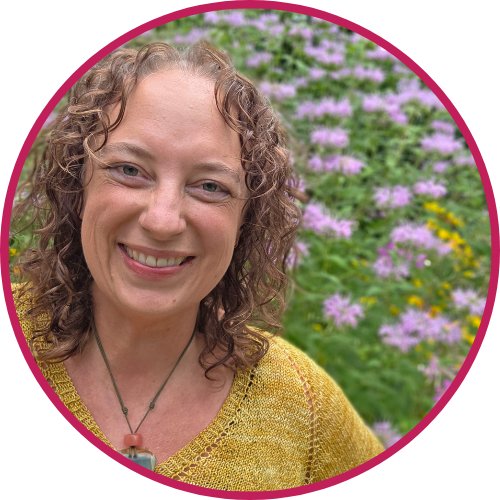
Rosalee is an herbalist and author of the bestselling book Alchemy of Herbs: Transform Everyday Ingredients Into Foods & Remedies That Healand co-author of the bestselling book Wild Remedies: How to Forage Healing Foods and Craft Your Own Herbal Medicine. She's a registered herbalist with the American Herbalist Guild and has taught thousands of students through her online courses. Read about how Rosalee went from having a terminal illness to being a bestselling author in her full story here.