Get weekly tips, recipes, and my Herbal Jumpstart e-course! Sign up for free today.
Pedicularis for Deep Muscle Release with Alex Williams
Share this! |
|


Pedicularis doesn’t shout for attention—but once you meet it, you may wonder how you ever lived without its profound ability to help the body let go.
It was such a delight to sit down with Chicago herbalist Alex Williams to discuss the gorgeous pedicularis (Pedicularis spp.). Those who are familiar with this lovely plant treasure it for its ability to help release deep skeletal muscle tension—and yet it remains relatively unknown in the herbal world.
In this rich and reflective conversation, Alex weaves together the clinical uses of pedicularis for pain, injury, and nervous tension with its surprising ecological role as a parasitic plant. He practically gushes about this beloved herbal ally, sharing its physical benefits along with the more metaphorical ways pedicularis has taught him to be a better human.
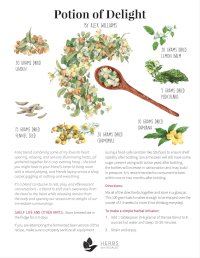
Alex shares how his experience as a bartender helped shape his path to herbalism, and the recipe he included is a fun reflection of this! His Potion of Delight can be prepared as either a tea or a low alcohol fermented beverage; you can download your beautifully illustrated recipe card from the section below.
By the end of this episode, you’ll know:
► Why pedicularis shines in cases of chronic pain, headaches, and injury recovery
► What ethical wildcrafting really looks like with sensitive native plants
► How parasitic plants like pedicularis can actually increase biodiversity and ecological resilience
► Why “less is more” isn’t just a dosage guideline—but part of pedicularis’ deeper teaching
► How this plant can help loosen rigidity in the body and in the way we move through the world
► and so much more….
For those of you who don’t know him, Alex Williams is a clinical herbalist and founder of Greenspell School of Ecological Herbcraft in Chicago, where he offers herbal consultations, herbalism classes, and plant walks throughout the Chicago region, supporting those he works with in cultivating rest, genuine self-care practices, ecological awareness, and a deep sense of embodied aliveness.
Alex also runs First Curve Apothecary which offers sliding-scale herbal supplements, along with herbal compounding services to holistic practitioners. Outside of the apothecary, Alex teaches medical sociology, psychology, and environmental justice at a local university. Every once in a while, he writes an occasional haiku.
I can’t wait to share this episode with you today!
Click here to access the audio-only page.
-- TIMESTAMPS --
- 00:26 - Introduction to Alex Williams
- 02:00 - Alex’s plant path
- 10:17 - What Alex loves about Pedicularis
- 12:44 - The Midwest USA ecological context for Pedicularis canadensis and Pedicularis lanceolata
- 16:07 - How parasitic plants can actually benefit their habitat
- 17:37 - Pedicularis to loosen tension and relax skeletal muscle
- 19:49 - Safety and ethical concerns for pedicularis
- 27:14 - Pedicularis for injury recovery and chronic pain
- 29:15 - Pedicularis as a nervine
- 33:10 - Life lessons learned from pedicularis
- 40:12 - Potion of Delight recipe
- 47:10 - Special considerations for using pedicularis
- 49:04 - Alex’s current herbal projects
- 55:20 - How herbs instill hope in Alex
- 1:01:04 - Student spotlight
- 1:02:15 - Herbal tidbit
Get Your Free Recipe!
A tea blend combining some of my favorite heart opening, relaxing, and sensory illuminating herbs, all gathered together for a cozy evening hang – the kind you might have in your friend's lamp-lit living room with a record playing, and friends laying across a shag carpet giggling at nothing and everything.
It’s a blend conducive to rest, play, and effervescent conversations – a blend to shift one’s awareness from the head to the heart while releasing tension from the body and opening our sensorium to delight of our immediate surroundings.
Ingredients:
- 30 grams dried linden (Tilia spp.)
- 20 grams dried lemon balm (Melissa officinalis)
- 20 grams dried chamomile (Matricaria recutita)
- 15 grams dried fennel seed (Foeniculum vulgare)
- 10 grams dried damiana (Turnera diffusa)
- 5 grams dried pedicularis (Pedicularis spp.)
Directions:
Mix all of the dried herbs together and store in a glass jar. This 100 gram batch makes enough to be enjoyed over the course of 2-3 weeks (or more if not drinking everyday).
i
Connect with Alex
- Website | Greenspell.org and FirstCurveApothecary.com
- Instagram | @greenspellorg
- Facebook | First Curve Apothecary
Transcript of the Pedicularis Video
Welcome to the Herbs with Rosalee Podcast, a show exploring how herbs heal as medicine, as food, and through connecting with the living world around you.
Pedicularis is a wonderful herb that works directly on skeletal muscle tension, yet most herbalists barely know it. In this conversation, Alex Williams shares why pedicularis is treasured for deep muscular release, how its hemiparasitic ecology shapes its medicine, and the essential tips to know for safely and ethically harvesting or working with this plant.
If you enjoy this episode, please give it a thumbs up so more plant lovers can find us, and be sure to stay tuned until the very end for your herbal tidbit.
Tired of herbal overwhelm?
I got you!
I’ll send you clear, trusted tips and recipes—right to your inbox each week.
I look forward to welcoming you to our herbal community! Know that your information is safely hidden behind a patch of stinging nettle. I never sell your information and you can easily unsubscribe at any time.
Rosalee de la Forêt:
Alex, I’m thrilled to have you here. I’ve been looking forward to this. Thank you so much for being on the show.
Alex Williams:
Very happy to be here. Thanks for having me, Rosalee.
Rosalee de la Forêt:
Yeah, absolutely! It’s fun I get to interview you after I got to meet you in person, so that’s always nice. I got to meet you at the Great Lakes Herb Faire, and the whole shake-your-hand thing. You also came to one of my classes and added a lot to the class as well, so that was really awesome too.
Alex Williams:
I’m happy to hear that. Yeah, that was the rose family plant class that—just the love and gushing for the rose family. That was fantastic. So much love for that plant family.
Rosalee de la Forêt:
It was a fun—there was a couple of people like you—yourself, very much included—with their own experiences and contribution that made it a really fun class for me. We got to combine our love of roses together, so it was lovely.
Alex Williams:
Yeah, yeah. That’s what it’s all about and also, kind of what your podcast is all about, which is why I love this and being here.
Rosalee de la Forêt:
Awesome, awesome. I have so many ideas about the directions we’re going to do today because I’ve got questions for you, but first, I would love to hear about your plant path, your story, all the ways the plants have called you in, to—to all the offerings that you bring to us today.
Alex Williams:
Definitely. The story always changes a little bit from time to time, but the essence is always there every time I tell it. I feel like I’m—a lot of herbalists have the story of being really immersed in plants and being in more rural environments when they were a kiddo. I was very much a suburbanite kid, like in the sterile grid of endless lines and all that different stuff. I feel like as a really young kid, there is a strong connection with nature even in that environment, because I feel like as a—as like a really little one, there’s really no—you don’t really say “suburbs are not nature and this wild place over here is nature.” It’s all just kind of wrapped together, which I think is a beautiful thing. Even in the suburbs, I found ways to enjoy my backyard and different things like that. Much thanks to my mom who managed to make a very beautiful wild space out of our backyard in an otherwise very put together and neatly lined suburban street. But later on, especially in my teens, I was not really a nature—I didn’t really care at all. My parents would bring me on vacations and I would be listening to my Walkman or playing Game Boy or something like that, just not really care at all. But I think from an early age, the seeds were very much planted.
When I grew up, in my early twenties, I started reading a little bit. Just got a lot more into reading and learning about environmentalism and sociology and psychology, and all these different things, which really informed my love of nature and encouraged me to get up and out and explore the ecosystems around me. I think I renewed that interest a little bit in my college years and twenties, so that eventually transformed into me moving into academia because I had a really strong interest in sociology. Particularly, just being in my early twenties like, “What is going on with the world? Why are we living the way we are? This feels very backwards because—I don’t know. We don’t need to be doing this.” I was curious about why we’re doing the things we’re doing, the harms of capitalism, and how that really affects the natural world and different things like that.
The thing about academia is that it is very, very mind and intellect-oriented, which I think younger me really liked because I liked to look like I know what I’m talking about. There’s something—some kind of ego part of my younger self. It’s like, ooh, I’m smart in academia. Obviously, I had a passion for it too and I thought the subjects were really interesting, but as I developed as an academic, I felt I was really strongly disconnecting from my—my body, my physical body in a whole lot of ways. And so, I would try and balance my time in getting my master’s degree and researching and all that stuff with going into the woods and foraging for mushrooms, which was a newly found hobby at the time. That balance was really important for me. It showed me how important it is to come back to the body and come back to the more wild realms of nature as much as possible. Just doing it over and over again, I just saw how much I was disconnected from my body, and just wanted to be more in a realm of connecting with nature and connecting with myself, and connecting with the plants, and was more leaning towards the realm of herbalism.
I think, interestingly, how I got into herbalism itself, it wasn’t just a natural progression within the woods. I was also bartending at the time to make ends meet. When I was looking for mushrooms in the woods, I would obviously notice all the different plants and tree associations, and realized there are these different plants that are also in these different amaro and gins that I shake cocktails with at work. I want to learn about the benefits of those medicinally. I want to learn about why they taste so good, and all these different things. I started to get into that and that kind of like super deep wormhole into the realm of herbalism that just is—I’m still falling through right now. So, yeah, but also, learning from different teachers too and starting to move from self-directed independent learning to actually learning directly from herbalists. Big shout out to jim mcdonald and Camille Freeman and Erika Galentin, my primary herbal teachers that really oriented me to become an herbalist for a full-time living. That’s the–that’s the really quick synopsis of it. It’s how I got into it.
Rosalee de la Forêt:
It’s funny, every single person who shares their plant story, I’m like, “That’s exactly my plant story!” Even though everybody has a different one, it’s like you said, there’s—these different perspectives to look at it. I also was into sociology in college, and basically minored in it. I was very much curious of like, “Why is the world like this?” and then very much switched into more hands-on, wondering, realizing that I was just so connected from everything, and then there was such a homecoming party to be—I had that quintessential wall of green where I didn’t know anything from anything, and then to learn that was just so beautiful and eye-opening, coming home and everything.
Alex Williams:
The wall of green too is like a sociological phenomenon. The fact that culturally, we’re so disconnected from that that we—most people can name more fast food chains than they can plants that grow right around them. So, there’s—there’s sociology in that too, but it’s an interesting thing.
Rosalee de la Forêt:
And you teach still, like a sociology of medicine, is that correct?
Alex Williams:
Yes, so I started just—once I was done with my master’s degree, I realized PhD is not my thing. I’m not going to pursue that, but I really loved teaching still. I was fortunate to get some jobs teaching just intro to sociology classes and social theory classes, and different things like that. That was really wonderful and I had been doing that since 2016 teaching those classes, and really, again just make ends meet, not have to bartend to do that. More recently in the past few years, I have been able to say like, “Hey, this is—I have more of an interest in medicine and healthcare, can I teach sociology of health and illness? Can I teach sociology of mental illness?” They allowed me to do that, so I’m still doing that. I’m probably going to cut my ties with academia entirely next year to really focus on herbalism, which is, it’s simultaneously a little sad but also very exciting.
Rosalee de la Forêt:
Bittersweet like the best of cocktails.
Alex Williams:
Exactly, exactly. Good connection there.
Rosalee de la Forêt:
I’m curious. I’m wondering how many bartenders get into herbalism through wanting to know about the plants. I was the opposite way. I got into cocktails once they started to have this resurgence of all these botanicals in them. That became really cool to me in getting to know that. I was like the opposite. I was herbalist then cocktail person, but I’m curious. That would just be an interesting poll to send out to all bartenders like, “How many of you then wondered about gentian and what’s in your amaro?” and everything.
Alex Williams:
I don’t think—the people I worked with had an interest, but it was more like in the ingredients level and what are the unique different flavors that we can get out of this. I also think that’s really cool. It’s like such a—considered like a cool profession and there’s the drinking culture that’s its whole other thing. I love that people, they’re like, “Let’s make this beautiful. Let’s put a flower in here and see what that tastes like.” It’s so good.
Rosalee de la Forêt:
Interesting history, that book, Bitters. In the past, the bitters that were served were so much a part of medicine. They were seen a lot as medicine, not just a drinking culture, so it’s kind of a fascinating history for anyone who wants to go into that.
Alex, you’ve chosen a plant for today that’s first time on the show and pretty excited for it. People who know this plant love this plant. If you don’t know it yet, I think you’re going to love it. I’d love to dive into pedicularis, and my first question for you is just why did you choose pedicularis for the show today?
Alex Williams:
One, I was—I was revisiting your episodes and I—there are so many amazing, well—good-flavored herbs that are–that are covered in your show. I’m just going to put it out there: this is not a particularly tasty herb. We will get into that a little later too, but I really love pedicularis because it’s a really strong—it’s almost like a keystone species in the prairie ecosystems where I live. A lot of herbalists will maybe sometimes pigeonhole it as an herb that—herb—sorry, herbalists from the Western states. I was going to say “Western herbalists,” but I’m a Western herbalist. Herbs from the Western states tend to use because there’s—which makes sense. There’s a really large diversity of different pedicularis species in the Western states, in the Rockies, at higher elevations and some desert species. Also, the herbalist, Michael Moore spoke really highly of pedicularis as well. I think it’s more popular among herbalists that live out in the Western realms, but there are—it grows throughout the north—throughout North America and has a pretty wide range depending on the species you’re looking at.
For me, in particular, I really love this plant. Come March-April, it’s one of the first plants that tend to emerge from the ground. It’s one of my indicator plants of like it’s time for me to start teaching again. It’s time for me to start thinking about garden stuff, and all that different stuff again. It’s just the first color that emerges from the ground in the spring when I’m walking in the woods. It’s such an amazing plant in that regard. It’s an amazing plant for me because I’ve dealt with a lot of musculoskeletal issues and back pain, and different things like that. It’s just been actually very healing for myself in that realm. Also, just the nervine effects it has, has been really beneficial for me. I would say this combination of like it’s an amazing plant. Ecologically, it’s really wonderful, which we’ll get into as well, and just had been so beneficial for me too. And also, you haven’t talked about it yet in your podcast so I thought this needs to be discussed.
Rosalee de la Forêt:
Alright. I love it. Where do you want to dive in first?
Alex Williams:
I can just give an overview of the plant. I’m going to be speaking specifically about two species in my region. There’s—ecologically, it’s a little bit different from region to region. The folks who live out west might have a different ecological context, but for me, we have, in the Midwestern states—I’m in Chicago—we’re kind of at this really beautiful ecotone confluence of Western tallgrass prairie, Eastern Deciduous Forest, and then some northern boreal forest coming in from the Northwest, which creates a lot of biodiversity. One of the primary key ecosystems that we have here is prairie. Unfortunately, there’s a lot less prairie than there was before pre-colonization. It’s like a crazy percentage. It’s like .001% of prairie. I don’t know if that’s the exact number I should say, but it’s a ridiculously small amount of prairie that is left remaining in Illinois from what it used to be. It’s a really beautiful ecosystem. Pedicularis is a really important keystone species within that ecosystem.
Again, just to recap, the main species, Pedicularis canadensis. I should distinguish that plant from the European wood betony because there’s sometimes a little bit of a confusion between those plants. They’re both called wood betony as a common name. I generally tend to hear conservationists and stewards and ecologists refer to Pedicularis canadensis as wood betony, and then herbalists refer to pedicularis as pedicularis because herbalists have wood betony, which is either Stachys officinalis or Betonica officinalis, as a different plant which is in the Lamiaceae family. So, just to avoid confusion, I go with pedicularis even if sometimes it can be called wood betony. Wood betony and pedicularis have overlapping qualities, but pretty different plants medicinally. Just to get that out of the way. I hope that was clear too. That can get kind of sticky.
We have Pedicularis canadensis, which is also known “Canadian lousewort,” and Pedicularis lanceolata, which is known as “swamp lousewort,” which grows in more wetland areas. The name lousewort comes from—there’s conflicting stories about it being related to cows that would graze in fields with pedicularis, and they would either get lice or help rid them from lice. It’s conflicting which one it is. Lousewort itself isn’t the most attractive name. I think if—if I told a client I was giving them lousewort, they’d be like, “Ugh, gross,” so I like to just refer to it as pedicularis or—and this is what I’m trying to encourage for most herbalists, is “loosewort” or “Let’s-get-loose-wort,” and that will make more sense later when I talk about the medicinal qualities.
So, those are the two species. Ecologically, it’s really cool because it’s a hemi—it’s a hemiparasitic plant, which basically means unlike—a lot of herbalists may be familiar with ghost pipe, which is a holoparasitic, which means that it cannot photosynthesize and requires a host plant to develop—or to extract its nutrition from. Hemiparasitic plants can photosynthesize, but do need to get some of their nutrition from some other host plant. Generally, when we think about parasitic plants, we think of it—it’s like—it’s like causing harm to other plants in the ecosystem, and it’s like a menace in some ways. But parasitic plants can have really important ecological benefits to an ecosystem, especially in the case of pedicularis.
What’s cool about this is that in prairie ecosystems, you will find pedicularis growing, and where there is really assertive, kind of aggressive native plants—two examples of that would be tall goldenrod and then big bluestem, which is a really common prairie grass. Those tend to grow really tall and tend to be really aggressive and take up a lot of space. Just because you’re a native plant doesn’t mean you can’t be aggressive and assertive. What pedicularis does is that it sends out these little kind of rootlets called, “haustoria,” that connect to those rootlets in the other plants, and inhibit the growth of those plants, which creates more space for other more highly-conservative plants to move in. In essence, it’s essentially supporting—by reducing the growth of these other plants—it’s supporting the growth of other species, bringing in more biodiversity, bringing in more pollinators, and different things like that. It has this really cool quality of being able to coordinate and support the more diverse plant populations in the areas that it’s found. That’s really cool.
Rosalee de la Forêt:
It’s very cool.
Alex Williams:
I just think that’s an awesome thing that—yeah, and that gets into some of the ways that I see that overlapping within medicinal qualities later. In terms of medicinal qualities, most herbalists think of this plant as a skeletal muscle relaxant or antispasmodic, which is predominantly what I use it for in my practice, but there’s also some uses as a gentle nervine as well. I shouldn’t say “gentle;” gentle to kind of pronounced nervine depending on the dosage. We—a lot of herbalists are familiar with smooth muscle antispasmodics, like cramp bark and different things like that. We have a lot of those, which are really helpful. Skeletal muscle antispasmodics are really helpful because there are some times when that needs to be the kind of muscle that’s targeted. Just as kind of a recap, skeletal muscle is the muscle that you can consciously move around, and smooth muscle is working through the autonomic nervous system to—which we don’t really have conscious control over, like our gut tissue, uterine tissue, respiratory tissue is covered with smooth muscle.
The places where I find this really helpful is where there is a client that may be exhibiting either—on either spectrum of overexertion or underactivity, both of which can produce really pronounced tension within the body depending on which direction you go. I really often put this in formulas for clients that may have a lot of tension present because they’re really, really highly active. They do all of the things. They’re constantly moving and they don’t really, really emphasize or prioritize time for rest, so it can really be helpful in that regard. But also, for clients who are underactive due to sedentary lifestyles or just chronic illness that makes moving around a little bit more difficult can be really helpful as well. Really, what it’s doing is that it’s supporting just loosening of tension, lessening resistance to—to tension within the body, and helping muscular—muscles to just relax and calm down which allows a lot more healing to take place if that’s what’s needed. That’s the primary ways I use it. First, before I go any further, I just want to ask, is this something that you’ve ever used in your practice?
Rosalee de la Forêt:
Not a lot. So, pedicularis—I’m pretty sure Pedicularis canadensis grows somewhat around me, but it grows up in the alpine area, so it’s quite a distance from me. And then, which I’m hoping you’ll speak to, I’ve had concerns about the environmental impact of harvesting this plant, especially because it’s a native alpine plant. One I’m more familiar with using a little bit is Pedicularis groenlandica, which is the elephant's—elephant’s head, which is so beautiful. I really love that one as well. It’s not something I’ve used a lot of, no.
Alex Williams:
That’s a really important part too. When I teach about this plant, I’m really careful about when I bring students to pedicularis stands because I don’t want it—there are significant sustainability issues. I’m really good at bouncing around, so I’ll just bounce around real quick-
Rosalee de la Forêt:
Okay.
Alex Williams:
And then we can bounce it back to medicinal qualities. One part of it, there’s a few considerations with harvesting, actually. The first is, because it’s hemiparasitic, it can take in potentially toxic alkaloids and different toxic compounds of plants around it. You need to be—if you are harvesting, you need to be very ecologically aware of what plants are around it. One really good example is the two species we have. One of them is more of a wetland species, so that’s Pedicularis lanceolata or swamp lousewort, which I have never not seen growing with water hemlock. It’s almost always nextdoor, there’s—pretty much all the time. I’ve almost never worked with pedicularis lanceolata because I’m just not sure if it’s going to pick up the toxins in that that are going to potentially kill me. I don’t even know if it does pick up the toxins, is that bioavailable within the body? There’s a lot of unknowns for me. That’s one consideration—its ability to pick up alkaloids from other plants, pyrrolizidine alkaloids or other potentially toxic chemicals that could then make its way into your body if you make a tea of it. So, question mark there. Not really sure how much actually goes in your body, but it will pick up alkaloids, so that’s the first consideration with harvesting.
And then the other one is just that it’s a really high—highly-conservative plant, which in ecological terms means it’s not as amenable to disruption, so the ecosystems you tend to find it in are typically really high-quality remnant ecosystems, that if it’s continuously disturbed over time can lessen the population. Really importantly, just knowing if you find a stand of pedicularis, first year you find it, really, all you get to do is admire it. You can do whatever you want, but if you want to be a responsible and ethical forager, just go there and look, and just witness the plant, get to know about it, get to know about the ecosystem. And then the next year you go, you note: is this population growing or is it reducing in size? Maybe you’d reach out to see if there’s like a stewardship group that stewards that particular area, which a lot of those stewardship groups will be harvesting and collecting pedicularis seed to encourage its growth and spread. That’s when you might want to join that group and then start to support the growth of that particular plant, and all that stuff. It’s really just about knowing, is this growing in size? In terms of the use of pedicularis, you don’t need that much to make a tincture, and most people aren’t using it in tea. You can harvest a very small amount if you feel like it’s a good sustainable patch of pedicularis and use it for a pretty long time because you don’t even need a high dosage either. I would encourage you if you do find a stand and you feel like it’s growing in size, you should definitely, at least, try to experiment with it.
Rosalee de la Forêt:
It’s part of my issue is I just don’t make it up to the alpine as often as I should, but now I’m thinking that sounds like a good idea, go hang out with these plants. Where I live it likes to grow next to aconite or a monkshood, so kind of same habitat there.
Alex Williams:
Yeah, that’s a strong consideration. Do you want to harvest that? Awesome. So, those are the main considerations, and again, just like—ethical foraging is really important to me. When I think about what plants to use bioregionally, it’s really emphasizing, “Let’s take all we want of the invasive plants and all we want of the plants that are really aggressive.” Obviously, doing it in a way where it doesn’t encourage the spread of those invasive species, but then let’s for the native plants that are a little bit—have a little bit more fragility. Let’s admire them and let’s learn about them, and then let’s encourage their growth, and then maybe in a couple two or three years, we can harvest from those stands respectfully. That’s a really important consideration.
Rosalee de la Forêt:
I love that Alex because I’m—I’m very pro-ethical wildcrafting, but I’m also pro-wildcrafting, which is a little bit controversial these days, but I think we need to have the relationship with the plants. We need to feel that reciprocity, and so I love your approach of it might take a couple of years to build that relationship, to build that knowledge of the ecosystem as it should with these sensitive plants. I think it’s important that we don’t—actually, it’s such a wound that we see ourselves as so separate from nature, so hands off from the outer world vs. the inner world. I think the more that we can blur those lines and just re—heal this wound that we are somehow separate from everything around us, is such a powerful thing. We can do that a lot through the foraging of plants. We just need to do it with that consciousness, intention, and relationship in mind. I really love how you framed all of that.
Alex Williams:
Definitely. I mean, that’s really like—I mean everybody—I don’t want to say everybody loves, but I think it’s really common in the herbal world and ecological world to very much love Robin Wall Kimmerer’s Braiding Sweetgrass. It’s such a good book. That’s a really important part of it. It’s central that we need to relate to the plants. We need to utilize the plants in order to—in order to feel that connection and to mend that connection. That’s also discussed too in this really awesome book called, Tending the Wild, by M. Kat Anderson, more about California, and how the relationships between human beings and the plant world in California. It’s a similar sentiment too where it’s like we, through relating with and utilizing plants, that’s how we are able to sustain this population, so I love that. The other thing too is-
Rosalee de la Forêt:
Thanks for mentioning that book, Alex—just to interrupt for a second—because Braiding Sweetgrass, I feel like is my flagship book, and Tending the Wild is my husband’s book.
Alex Williams:
Oh, awesome!
Rosalee de la Forêt:
You hit our two faves right there, so that’s cool.
Alex Williams:
I love them so much. I—that’s a whole—I could—I’m really good at tangents and so I’m-
Rosalee de la Forêt:
Pedicularis!
Alex Williams:
The one last thing with that is that I have a bit of a—maybe it’s stronger on my woo-woo spectrum notion that if you don’t harvest respectfully, the plants just—the medicine is not going to come through in the same way. I just—I don’t know. Maybe I want to believe that because maybe that will deter other people from going in kind of nonchalantly, but I just—I feel like there’s something to that so I’ll leave it at that. That’s probably wildly speculating or-
Rosalee de la Forêt:
I’ll subscribe to that.
Alex Williams:
Cool. Awesome, we’re on the same page. So, going back to the medicinal qualities, we have primary usage being skeletal muscle relaxant. That could apply in a lot of different areas. That could be supporting recovery after injury. Musculoskeletal injury, there’s going to be a lot of tension to compensate for the tissues that were injured or disrupted, so being able to loosen that and relax that, it’s going to support the healing process in that regard. When there’s persistent chronic damage or pain, like a herniated disk or sciatica or something like that, pedicularis can be really helpful as well, to facilitate the ongoing healing process, or just kind of create some relief in that regard; really commonly used in injury.
Headache is another one too. I think it’s really unique as a headache supporting herb. I kind of say this wrong sometimes where I say “headache-supporting.” It doesn’t support the headache. Other way around—it helps with relieving that—the symptoms of. It’s really interesting because the feeling of when you drink a tea of pedicularis or take a tincture of it, depending on the dosage it has different effects, but it has this really strong ability to drain the energy from the head and move it back into the body. Where there is a lot of tension present in the head and there’s headache caused by tension, it can be really helpful in that regard. Headaches is a big one I use it for. It does have—I mentioned it’s primarily a skeletal muscle relaxant, but there’s some degree of smooth muscle relaxant qualities but just not as much as something like wild yam or cramp bark or something like that. I think a lot of people and clients have found it helpful for maybe uterine cramping, but I don’t see it necessarily helpful for gut or respiratory cramping or anything like that. You might want to—if you want it to overlap and combine both, you know when to combine some smooth muscle antispasmodics in.
Again, primarily, as a skeletal muscle relaxant, but I think where it really comes in is the combination between the skeletal muscle relaxant qualities, and the nervine qualities that create this general vibe and sense of being that opens up a lot of different interesting doors. Just really quickly speaking about the nervine qualities of it, generally, it’s considered a gentle nervine if you make a typical one tablespoon to 8 ounce cup of tea of it and steep it for 15 minutes, it’s going to have just a general relaxing quality. There’s a gentle loosening of the limbs, kind of grounding experience, but then at higher doses, it can be kind of stoning and kind of stupefying, and can verge into the realms of incoherence. A lot of people will actually grind this up and smoke this as kind of an analog for cannabis, or maybe even combined in different smoke blends with cannabis or other herbs that gives a similar euphoric effect, which is really interesting but that’s kind of undesired for some people. So I’ve even done—as part of my classes that I teach, I do a lot of blind tea tastings with students to feel into the energetics of different plants. I remember doing one tea tasting. We always just do a really gentle, kind of weak tea so we’re not overdoing it and doesn’t push anyone into any—too strong of a direction. I remember one student feeling that and almost feeling a sense of uncertainty and suspicion around what the plant was doing. We eventually unpacked that later on in the group. It was a little bit more about how that person tends to be in more of a tensed state most of the time. The shift into the loosening was like, “What is this? This is new to me.” For some people, that could be alarming to be not activated and not tense, so just something to be aware of if you start to use this herb. Did you have something to say?
Rosalee de la Forêt:
Just hearing you talk about this, I’m like, “Man, why have I not worked with this herb more?” because this is like my Achilles' heel in some—like muscle tension, nervous tension, all that kind of stuff, so I’m just like, “Oh, that sounds really interesting.” Do you have a sense of it would work on fascial tension? Just asking.
Alex Williams:
I do, yeah. I think the overall—I mean thinking about fascia as this kind of webbing that really covers all of the—encases all of the muscles of the body, it absolutely supports that across the board. I’m interested to hear because for me—to me, I don’t really have as much as experience directly with the fascial aspect of it, but I always want to hear other people’s experiences with it. If you try it and you have a direct experience, please let me know, but yeah, 100%.
Rosalee de la Forêt:
Cool. I’m dealing with a kind of fascial—plantar fasciitis that’s clearly connected to my whole lower leg right now, so I’ll definitely look into that. I want to extend that invitation to anyone else too if you’re working with pedicularis in a fascial sense, we want to hear about it.
Alex Williams:
And with some of those things too, because it’s so interconnected, like where there’s injury in one part of the body, we can sometimes compensate in other areas and that can cause issues, so having that whole systemic loosening is going to help with not overcompensating in some regard and creating that unique area of tension where we wouldn’t otherwise want it. I think that’s a really good way to think about it is that systemic loosening that—that can support healing of those different issues.
Rosalee de la Forêt:
Sounds good to me.
Alex Williams:
One thing when I think about a lot of the herbs that I really dive into and really explore deeply is—there’s—we covered a lot of the basic medicinal qualities of it and the basic virtues and uses that herbalists might call upon pedicularis for. What I like to do is take that and also think about it from more of like how is the herb supporting me on my human journey? My journey as just like a person in the world? I think this gets a little bit more spiritual, a little bit more esoteric and metaphorical. I like to think about if I’m ever writing up a monograph or something like that, there’s the Virtues and Uses section, for example, but then there’s a section that I like to call “the ally,” which is, how is this plant an ally on our journey? I can’t take credit for that. I want to shout out to an amazing trilogy of books called, Pharmo—Pharmako Gnosis—Pharmako poeia. I’m blanking on the name. Pharmako Dynamis? There are strange names. I could actually probably go to my bookshelf and pull it out, but the author is Dale Pendell. He’s outlining all of the different psychotropic plants. He has this really unique approach to writing monographs that I really love. It’s very poetic and metaphorical. Have you heard of this?
Rosalee de la Forêt:
Well, you know jim is a big fan, so jim has told me on numerous occasions that I should read them. I do own them. I don’t know. There’s something about it, I open it up, but I’m just like—it’s kind of dense a little bit.
Alex Williams:
It’s a little dense.
Rosalee de la Forêt:
Maybe I should try again. I’m a very simplistically-minded person, Alex, but jim, it’s some of his—that’s some of his favorite books so he has mentioned it on numerous occasions.
Alex Williams:
I tend to not shut up about the series too because I love—I really like—it’s interesting just from—because psychotropic plants are interesting to me, I’m not going to lie, but also just the approach to writing is really cool. He has a section in each of the chapters called “the ally” that’s a little bit more poetic and it talks a little bit more about how is it supporting you in more of a teamwork, journey-in-life level. When I think about that for pedicularis, I think about just how many different ways that it supports my own—like the lessons that it offers. One of the ways I like to think about it, we talked about ecologically how it’s coordinating the biological diversity of different plant communities. I think the lessons that I can learn from that when I go encounter it, it’s like I can watch the way and witness the way that pedicularis supports biodiversity in its own particular region. So, how can I take that to my own practice as an herbalist, and how can I take that to my own approach as a teacher.
One of the things that may happen in a classroom space, for example, I’ve thought a lot about pedagogy over the years because I was a teacher in a university setting, but now, even more so that I get to teach something that I really, really truly love deeply, which is herbalism; just thinking about how to create a really good classroom space for students so the knowledge can be less about eating information, and more about feeling it in your bones. How do I facilitate that for students? One of the things that happens in a classroom space is that there are—every student has a different gift, right? Some people are a lot better at sharing and being part of a group and having their voice, and some people not so much, maybe a little bit more introverted, but there’s an incredible perspective that is missing when you don’t get all the voices from the class. I think about that in teaching, it’s like, “How can I be the pedicularis in this space? How can I utilize the energy of the people who are more assertive, and then invite them to draw in the voices of other people in the class to create this crosspollination of different ideas in the classroom space?” I always—if I feel like I’m struggling with that, I have a tincture shelf. You can’t see it, but there’s little individual tinctures next to my teaching space over here. If I’m struggling with that in a class, I might even just walk over and take a squirt of pedicularis to bring me into that energy a little bit, which I think is fun.
But also, on an herbalist level, as working one-on-one with clients, it’s thinking about how there are a lot of clients who have more assertive sensations in the body from the different things that they’re trying to address. Pain is a really good example, chronic pain. It’s like for a lot of people that is the loudest voice that their body is sharing with them, and that can lead to a lot of clients and a lot of people feeling a sense of disassociation or alienation from their body. My job as an herbalist is to support having a deeper sense of embodiment, but for some people that’s really challenging, so then pedicularis can inform how do we invite other voices ? What are the other parts of the body that are really working to restore balance and work towards healing? That maybe a little quieter than that really loud voice of pain, but how do we work together to listen for that different voice? I love pedicularis as a teacher in that way.
The other way that I feel like pedicularis is a really strong ally for me in my journey as a human being and teacher and herbalist, and all that different stuff, is the way that it supports access to a deeper sense of self. I think in its ability to loosen the musculature, we have more access to our body in a way that we may not have access—have had access to when we’re feeling very tense. I think that softening of resistance and rigidity in the body can open us up to different things like goofiness and creativity, and humor and delight that allows us to explore bodily sensations with a lot less judgment than we may have had otherwise. There are so many different ways that it could teach these lessons that aren’t just physiological. You know what I mean?
Rosalee de la Forêt:
Yeah. Man, those are like the lessons I need right now, so I just feel almost like, “Oh, okay. Thanks for showing up right now.” Just to make it about me again, I have this plantar fasciitis, and man, do I have judgment about it. It’s tough being in chronic pain and just dealing with something, especially when it inhibits me from doing the things I love in life. So, alright, pedicularis, I hear you. I swear every—every episode I leave the episode being like, “Oh, this is the herb that I need!” It’s like this interesting side effect of having a podcast where people focus on herbs, and then passionate people like yourself come on and talk about these herbs in these very enticing, evocative ways, every single time I’m like, “This is the plant that I need now.” I was like—I was like, “That’s not going to happen with pedicularis.” I didn’t have such a strong connection, but now, I’m just like wow! This is like—everything you’ve shared is the herb that I’ve been searching for, so thank you for that.
Alex Williams:
Of course, yeah, anytime, anytime.
Rosalee de la Forêt:
I really like the esoteric. It was very grounded and just—it’s like the true wisdom of plants and how we learn from them, not just an ability to, say, relax our musculoskeletal system, but in their way of being just as we might learn from another human being about different ways of being. It’s beautiful.
Alex Williams:
Absolutely. I love it.
Rosalee de la Forêt:
Will you talk a little bit about this lovely recipe that you’re sharing with us, this Potion of Delight.
Alex Williams:
Of course. Actually, that relates to that kind of sense of embodiment too. I came up with this potion—it’s a tea blend, let’s be honest, but—
Rosalee de la Forêt:
No, it’s a potion of delight, Alex. Don’t-
Alex Williams:
You’re correct. Why am I downplaying this potion? It’s Potion of Delight, obviously. Okay, the reason I call it that and the reason why—I’m trying to, I guess, invite in this sense of delight is, one, it’s been a topical kind of concept, idea, vibe, feeling I’ve been trying to tune in more into in my life. One, I’ve been reading an awesome book called, The Book of Delights, by Ross Gay, which I highly recommend if you want to tune into that. Two, I recently had a kiddo who is now seven months old, going on eight months, and talk about a lesson in delight. Kiddos, just like, everything is delightful to them. It’s like—I mean, obviously, not when the poopy diaper in the middle of the night or wondering where the parents are when they wake up even though we’re right there. Yeah, there are some things that aren’t so delightful for kiddos, but just when in the—during the day when you’re playing with them, and you’re exploring the environment around, there’s just so much delight. I feel like I’ve learned so much from my son in that regard of how to see that in everyday life. At the same time, being a new parent is really hard and it’s really exhausting. It’s really easy for delight to go out the other way when you’re lacking sleep, and also, when the social and political world is falling to pieces all around you, really easy for delight to just kind of dissipate off and for you to get really cynical and—I should use “I” statements—for me to get really cynical, and get—falling apart in that regard.
I think being able to cultivate that has been really important for me, and part of my journey of being a new father is before my wife, Stef, gave birth, I stopped drinking which, honestly, was a really big part of my life because I was a bartender for so long, in a way that before was probably problematic and not very healthy. I feel like just as I got older, that energy of having that in my system, and also, just the discomfort of even having a drink or two, and that feeling that in the morning, that’s not conducive to all the responsibility that goes into fatherhood. I backed off very significantly from that.
As I was doing that, I was thinking I have—I’m an herbalist. There are so many different herbs that facilitate these different, wonderful feelings. Pedicularis came up quite a bit in just the sense that it’s really conducive to this sense of—verging on inebriation at times, like you can feel kind of loosey-goosey and goofy with it, but it’s a really awesome thing to make a tea of with other aromatic herbs that—that can—that you can drink throughout a night with friends or something like that, or just to get that evening glow and vibe going on. Or just to—if you’re feeling really stuck in the world and wanting to open up to the more delightful things in life, which is really needed right now—I know it’s—the world is crashing and falling apart, but we need delight to help us move forward. This is why I make this potion.
The Potion of Delight that I offered in terms of the recipe, which is—what is in there—it’s linden, lemon balm, chamomile, damiana. I should—I should have it in front of me right now, but it’s—and then pedicularis is the last one. All of these different, wonderful, deliciously-tasting aromatic herbs that kind of engender the sense of presence, but also uplifting qualities and awakening and delight and calm, and all these different things to just bring us into that present moment. I guess the least—least good-tasting herb of all of this is pedicularis, which is why it’s lowest in the formula, but the balance is there, so that’s really why I chose this one. Another part of it is I’ve just been experimenting with actually fermenting some of these things to turn into a wild soda, so I threw that in as an additional part of the recipe. I’m not sure if you’re actually going to include that. I just got excited last minute.
Rosalee de la Forêt:
Oh, we’re going to include that because I’m very excited about that.
Alex Williams:
Okay, cool.
Rosalee de la Forêt:
I also have, likewise, significantly cut down on drinking, but I still love a nice little drink.
Alex Williams:
Totally.
Rosalee de la Forêt:
Like an evening drink, so this really caught my eye because it’s a very low ABV or alcohol content on that, or the soda, so I’m really fascinated. Just reading it, I was like, “Oh, I could do this. I have fermented before so it’s not entirely new, but it just was very welcoming and like, “Okay, this is no big deal. This is cool.”
Alex Williams:
It’s fun to see how different teas—we’re so familiar with making herbal teas as herbalists, but how does that transform when you bring in the spirits of yeast and fermentation into the process and how does that transform the flavor and all that, which is really interesting. It’s really as easy as sprinkling in a little yeast, adding some sugar, and then letting it ferment for a bit. You can get these really simple mason jar caps that have an airlock if you really want to go all out, but you could just put a cap on and burp it every once in a while too, that’s possible.
Rosalee de la Forêt:
You make it so easy. This is exciting. I really encourage people to check out the recipe. You can get your beautifully illustrated recipe card above this transcript. I’m really excited to hear what people think about this, the Potion of Delight as a tea, as a soda, as a little bit more fermented beverage; all of it, I want to hear. I want to hear about it all.
Alex Williams:
And you can mix and match. It doesn’t need—you don’t need to stick with this particular recipe. This is kind of a template for whatever kind of Potion of Delight that suits you.
Rosalee de la Forêt:
I appreciate that, like the herbs that you gave as ingredients. It’s like linden, 30%, lemon balm, 20%, so that in itself gives a little whimsy to it in terms of—it kind of evokes like, “Okay, we’ll figure this out percentagewise.”
Alex Williams:
Yeah.
Rosalee de la Forêt:
Wonderful.
Hey, friends. It’s Rosalee. If you’ve been nourished by this podcast, if it has helped you feel more connected to the plants or more grounded in your own herbal path, then I’d love to invite you to join the Herbs with Rosalee Podcast Circle. This special membership helps make the podcast possible. It supports everything we do behind the scenes, and it gives you a chance to go even deeper with the content that you love. Inside the circle, you’ll get exclusive herbal resources, live classes each season with some of my favorite herbal teachers, and a private space to connect with fellow plant lovers. It’s where the heart of our herbal community continues to grow. To learn more and join us, visit HerbalPodcastCircle.com. Your support means the world and it helps this podcast continue to bloom.
Are there anything—any other things you want to cover about pedicularis, Alex?
Alex Williams:
Yes. I feel like just for my due diligence as an herbalist and making sure I cover all the bases, just the safety considerations we talked about; just being aware of the plants that’s growing nearby and making sure that there are no poisonous plants nearby, so it doesn’t absorb that in. Also, there’s not really much information or research on the safety in terms of pregnancy or lactation or anything like that. There is use—history of usage of birthing mothers drinking pedicularis tea, maybe a light version of that in labor to relax the body to prepare for labor. Obviously, under the supervision of a good birth worker, in that case, but not much in terms of if it’s appropriate in lactation and all that. I just want to throw that out there. I also just really want to underline and highlight the sustainability part of it. This is not like a, “use a ton of herb and dry a bunch of it for tea, and use it as your main herb.” This is like “Use small amounts in a formula really as needed when that—that picture and expression of skeletal muscle tension arises.” I just wanted to emphasize that because most of the populations can really easily be decimated very quickly by herbalists finding them and taking all of it. I think—okay, here’s—let me be really honest. There’s so much more to say about this. If it’s okay, I’m going to share a link with you that’s like a full monograph so people can go and get all the nitty-gritty details if you want.
Rosalee de la Forêt:
Absolutely, absolutely. I didn’t mean to cut you off. We’re here for it.
Alex Williams:
I mean, I could just go on and on and on and on. I just—there’s—there’s more. If you want to dig in, I can—you can go to the link on my monograph-
Rosalee de la Forêt:
That would be great. We’ll include that in the show notes, absolutely. Great!
Alex Williams:
Totally.
Rosalee de la Forêt:
Alex, we got to hear about your entry way into herbalism through academia, through bartending. What we haven’t heard yet is how you have then reflected that and offered up your gifts and your offerings back into the world. You do a lot of different things. I’d just love to hear more about the different programs you have and all of your offerings.
Alex Williams:
Absolutely. I think when I first got into this, I was really—I love medicine making. I was just all about going into the woods and being like, “Can I make a tincture out of this?” and then adding that to my apothecary, which for a new herbalism student I wouldn’t recommend just tincturing all the things. It can get overwhelming and that kind of leads you to learning herbs very shallowly if you try to learn them all at once, so stay small. Choose a couple of herbs to really know intimately and deeply. But that was like my way in. I just really got excited and I just wanted to tincture everything, and taste everything, and make bitters out of everything. I really started with the herbal products side of things with First Curve Apothecary, which is my herbal products side of the business, which I still have now. And then that over time, evolved into Greenspell, which is Greenspell, which I ended up calling the “Greenspell School of Ecological Herb Craft.” I love long names like that. They’re kind of fun. That is more focused on my clinical practice and that is more of my educational offerings, which include mentorship, the one-on-one work I do with clients.
I really like to emphasize in-person classes too because there’s just something about them. I gained so much from the online classes that I did. They are so important to me, but there’s something about going out into the woods with people around that really care about this and developing this into community that really helps to support the integration of this knowledge. I have been having this online program for a few years—sorry—opposite, in-person—in-person program for a few years that I offered in the Chicago region that I have now turned into a three-year program. Starting with an introduction to foundations of bioregional herbalism, basic energetics in Western herbalism, and just some basic, how would you utilize herbs for some common—common everyday complaints that a family or community might experience. And that evolves into a year two-thing where it’s more clinically-focused, which eventually will become a clinical practicum down the line. I really love the in-person stuff. That’s been a really core focus of mine, is teaching over the past couple of years.
Then more recently, I actually—I say “more recently,” but it’s been like two years that I’ve been doing this. I started offering compounding services for different practitioners across the US for people that don’t have their own apothecary, but want to create custom formulas for different clients. That’s been really, really cool for me to do. I feel very honored that people are entrusting me with blending custom formulas for clients. I’ve gotten to see so many unique approaches to formulation. I’m working with so many herbs that I don’t normally work with. I’ve been investing a lot of time and energy into building that up and creating a good system for people to be able to get custom formulas to their clients if they don’t have an apothecary. Those are the main elements that I’m working with. I’m probably missing one, but yeah.
Rosalee de la Forêt:
What about your-
Alex Williams:
Did that answer your question? I’m not even sure if that was your question.
Rosalee de la Forêt:
It did. No, that did very much. All of that is so lovely. I know the compounding is something that—it’s such a special thing for clinicians to have access to because it can be a huge barrier if someone doesn’t want to do that, and then you can’t really expect your clients to do that for themselves, and so that’s a really wonderful thing.
Alex Williams:
Buying five different herbs from Herb Pharm or whatever. It’s possible, but it’s-
Rosalee de la Forêt:
That’s lovely. You also have a Virtual Garden. Did you want to mention that?
Alex Williams:
This is—this is more of the online classes that I have, which I’ve been working on and tinkering with for the course of a couple of years now. It’s like my online knowledge base, providing all the different bits of information that I would have wanted to know when I was first starting in herbalism. Like my own mind, it’s a very meandering and wandering path. You can kind of choose your own adventure for where you want to go. Essentially, think of it as a glorified blog that has a lot of different articles that can be regarded in a class-like format, or just explored at your own—like your own wormhole of Wikipedia. If you’ve ever done one of those, where you start on one thing and you go to a different thing? It’s kind of what I’m intending for this space. There’s free access to that, and then also, there’s a paid version for more deep learning if you’re interested too. I’m starting this year to do my own deeper dive monographs of different plants, like pedicularis, that I really have a strong connection with and a lot of clinical experience with that, I want to start publishing to that as well. That’s my online course kind of realm.
Rosalee de la Forêt:
Wonderful! We’ll get all of those links in the show notes for folks. Is there a preferred way that you like to stay in touch with folks? Is that through a newsletter? Social media? Like someone’s like, “I want to hear more from Alex,” how do they do that?
Alex Williams:
I think the newsletter is definitely the right place. It used to be Instagram, but every time I go on Instagram now, my brain melts from everything terrible going on in the world so it’s hard for me to be in that space now. I think the newsletter has been really great because I get to write my own thing, and reflect and share what I want with my community, and not have it buried in an algorithm. Newsletter is the best way. Greenspell.org and sign up for the newsletter on there. That actually gives you—if you’re signed up for the newsletter, that gives you access to the Virtual Garden as well, which are interrelated. But then there’s Instagram too if you want to follow on that, just don’t expect too many posts or updates there.
Rosalee de la Forêt:
Alright, nice to set expectations.
Alex Williams:
I should also mention products side, firstcurveapothecary.com. Greenspell.org is the school and clinic, and all that educational stuff.
Rosalee de la Forêt:
Nice. Awesome.
Alex Williams:
The ecosystem there.
Rosalee de la Forêt:
Lovely, lovely. Before I let you go, I have one last question for you, Alex, and that is, how do herbs instill hope in you?
Alex Williams:
Yes, I love this question. Well, I—okay, to start, I mentioned my love of—regarding herbs as allies on our journey in life. I think that’s a really important first part. I feel like there’s a lot of challenges that need to be faced in this particular and unique historical moment. Sometimes I have the feeling where I’m like I was born in the wrong time. I really do not like this ridiculous time that we live in that is harmful and so painful for so many people to experience. Then at the same time, I’m like—I chose to be alive now in some ways. So, here I am. How am I going to show up for this moment? It can be really hard to show up. I think the ways that I’ve been able to do that is with strong contribution from the—the non-human plant world and the non-human fungal world. The non-human world, in general, and just finding lessons and teachings from these plant allies. I think allyship is really one way that herbs instill hope in me that we can turn to the non-human realm and find teachers in the non-human realm in a way that it feels like that can actually show us what it means to be human, and what it means to show up in this time.
At the same time, we’re fortunate that our very nourishment comes from plants. We have this direct bridge back to our bodies and to the body of earth by the very fact that we have to eat food, and also that we can utilize these plants as medicine that we can heal ourselves. All of these plants have spent millennia learning how to heal themselves and creating these secondary metabolites that are so healing in our bodies. We ingest them and they’re just offering through our very ingesting that the teaching of how they learned to heal themselves through us, that’s just—such an incredible thing and such an incredible gift. Plants really offer that, so in that way it’s like we get so much from them, but we also have this gift that we have to give back in our own way. I just feel like the allyship part, the fact that we have this connection, this teaching of how we can be humans in the world, how we can show up.
I’m hoping this is answering the question, but I also think one thing that comes up for me in teaching about herbalism right now coming from a very social justice-oriented profession and realm is—sometimes teaching environmental justice course too where students will often say how why we can’t really be focusing on the environment right now. There’s all these different things happening in the social world. I think it’s a false dichotomy. I feel like the social justice issues are not incongruent with environmental issues. I feel like they go really well together and they need to be addressed. I think there’s something about viewing social issues from an environmental and ecological lens that provides a greater depth in terms of how we approach these different things. Just in the fact that if you understand ecology and you start to learn about ecology, you see that all of these different species have their own particular niche. That begs the question, “What is my niche? What are the gifts that I offer to my community?” Knowing that my gift is going to be different from others then I’m going to show up in a different way than other people do. Also, just looking at the ecological and non-human realm, you see the incredible cooperation and reciprocity, and interrelationship among the different parts and how they feed each other, and how we can bring that to the world as well. I feel like if we approach, kind of regard herbs in the really practical ways, so like how am I going to support my—the health of my family and clients, and all that different stuff. If we also take this multifaceted and holistic and even poetic approach and perspective, then we get so much about how to show up for the world. I hope just even sharing about pedicularis and the many gifts has illuminated that to some degree. That was a bit long-winded, but I hope that’s okay.
Rosalee de la Forêt:
No, that was absolutely beautiful, Alex. I love how you did acc—you did illuminate that really well with pedicularis, and now as like a philosophical structure as well. It’s beautiful. I often mention this, but I think it is so important. I got into herbalism initially thinking “Cayenne is cool for arthritis. That’s cool.” Just kind of that surface level and-
Alex Williams:
It is cool!
Rosalee de la Forêt:
It is so cool! It has worked time and time again! But until it sinks into those deeper levels, these deeper teachings of plants, the ecological connection, seeing how it’s woven. Everything you said you said it so eloquently. I will not try to replicate that, but to me that is-
Alex Williams:
It’s good to hear.
Rosalee de la Forêt:
The heart of herbalism. This is the stuff where it gets really juicy. This is what keeps us learning from the plants is why we say, “Oh, there’s so much to learn.” We need several lifetimes to do it because there is so much to learn through it all.” I really appreciate all of that.
Alex Williams:
Very humbling.
Rosalee de la Forêt:
Yeah, it is. It is. This has been so excellent. I really enjoyed this. I really enjoyed getting to know you better, getting to know pedicularis better, and I’m very excited for the Potion of Delight as well. Thank you so much for taking the time to be with us.
Alex Williams:
Of course. It was great talking to you too, Rosalee. Thank you so much.
Rosalee de la Forêt:
Thanks so much for listening. You can download your illustrated recipe card from today’s episode just above this transcript. If you’re not already subscribed, I’d love to have you as part of this herbal community, so I can deliver even more herbal goodies your way.
Tired of herbal overwhelm?
I got you!
I’ll send you clear, trusted tips and recipes—right to your inbox each week.
I look forward to welcoming you to our herbal community! Know that your information is safely hidden behind a patch of stinging nettle. I never sell your information and you can easily unsubscribe at any time.
This podcast is made possible in part by our awesome students. This week’s Student Spotlight is Helen Walker-Schmidt in South Carolina. Helen joined Rooted Medicine Circle this year, and she’s just been this active and joyful presence showing up for nearly every Braiding Sweetgrass discussion, student meet-ups and medicine making classes with warmth and with curiosity. She’s originally from Birmingham, England, where she brings a lifelong love of herbal home remedies like dock leaves for nettle stings, and honey-onion for coughs, and always plenty of tea, of course. Helen’s medicine making stories are so full of heart. She made garlic honey and herbal vinegars with her 93-year old mother-in-law. She shared sore throat pastilles with her dance class and even asked if it’s possible to overdose on herbal baths. I get that one myself. Her enthusiasm and connection to the plants truly shine through.
To honor her contributions, Mountain Rose Herbs is sending Helen a $50 gift certificate to stock up on their incredible selection of organically and sustainably sourced herbal supplies. Thank you so much to Mountain Rose Herbs for supporting our amazing students.
Okay, you have made it to the very end of the show, which means you get a gold star and this herbal tidbit:
Many pedicularis species have evolved elegant partnerships with long-tongued bumblebees. Some are so specialized that only one pollinator species can reach their nectar. These relationships along with habitat preferences that range all over North America from the Midwestern prairies to the alpine streams help to explain why pedicularis disappears in disturbed ecosystems and flourishes where plant communities are intact. An example of this is elephant’s head or Pedicularis groenlandica, which is primarily pollinated by long-tongued bumblebees, most notably the Bombus genus, such as the yellow-fronted bumble bee and the white-shouldered bumblebee. Their long tongues can reach deep into the flower’s narrow corolla tube. And while it isn’t an exclusive one-to-one relationship, Pedicularis groenlandica—elephant’s head—is highly-specialized. Without these long-tongued bumblebees, its seed production drops dramatically.
As always, it’s a pleasure to have you here. Thanks for joining me. I’ll see you in the next episode.
Rosalee is an herbalist and author of the bestselling book Alchemy of Herbs: Transform Everyday Ingredients Into Foods & Remedies That Healand co-author of the bestselling book Wild Remedies: How to Forage Healing Foods and Craft Your Own Herbal Medicine. She's a registered herbalist with the American Herbalist Guild and has taught thousands of students through her online courses. Read about how Rosalee went from having a terminal illness to being a bestselling author in her full story here.