Get weekly tips, recipes, and my Herbal Jumpstart e-course! Sign up for free today.
Natural Dental Care with Kyle Denton
Share this! |
|


Most of us were taught to think about dental health in isolation—brush, floss, rinse, repeat. But what if your mouth is actually a gateway to understanding your entire body?
In this episode, my friend Mason Hutchison and I interview Kyle Denton to explore a more holistic approach to natural dental care. Drawing from his overlapping backgrounds in clinical dentistry and herbalism, Kyle shares how the mouth can reflect patterns of health throughout the body (and the many ways that herbalism can help us work with those patterns rather than simply masking them!).
We also get into some surprisingly nuanced topics, including toothpaste ingredients, mouthwash myths, the oral microbiome, and why “one-size-fits-all” dental advice often falls short. Throughout the conversation, Kyle shares practical ways to approach oral care with more awareness, intention, and personalization.
If this conversation intrigues you and you want to learn even more about how to care for your mouth in a holistic way, you’ll love Kyle’s free Herbal Dental Care mini course! It’s only available for the next few days, so be sure to check it out soon!
By the end of this episode, you’ll know:
► The biggest misconception people have about dental care
► How to tell the difference between types of bad breath—and what they might mean
► Why “killing germs” isn’t always the goal when it comes to oral health
► Five common ingredients to avoid when buying toothpaste
► How understanding tissue states can completely change the way you approach oral care
► and many more insights for supporting your natural dental care….
For those of you who don’t already know him, Kyle Denton is a clinical herbalist, medicine maker, and teacher whose roots in dentistry give him a rare and comprehensive view of the body’s inner design. For 15 years he worked in the dental field: chairside, lab fabrication, patient care and clinical management. This daily mentorship developed a deep understanding of the technical, structural, and human sides of oral care. During his later years in dentistry, Kyle’s study of herbalism began to merge with his clinical work, revealing a living bridge between oral anatomy and the energetic, emotional, and ecological dimensions of health.
As the founder of Tippecanoe Herbs and Root Radical Herbal Academy, Kyle has taught hundreds of students through courses that blend hands-on medicine making with vitalist philosophy, plant energetics, and the electric field anatomy. His teaching style unites practical knowledge with mytho-poetic insight and light humor, helping students see the mouth as an intelligent gateway of breath, nourishment, and expression, as well as the mechanical structures.
Kyle brings together his dual lineages of dentistry and herbalism to empower others with the tools, context, and confidence to care for their oral health naturally, while deepening their understanding of how the mouth reflects the rhythm and balance of the whole body.
Whether you’re rethinking your daily routine or simply becoming more curious about the signals your body is sending, I hope this episode inspires you to listen more closely, stay curious, and bring a little more intention to the ways you care for yourself each day.
Click here to access the audio-only page.
- 00:44 - Introduction to Kyle Denton and holistic natural dental care
- 02:27 - Your mouth: a gateway to understanding the rest of your body
- 04:45 - Kyle’s dental and herbal background
- 11:24 - Does the type of toothbrush you use matter?
- 16:11 - Talking toothpaste: what to avoid
- 22:17 - But what about commercial herbal toothpaste - is it all just marketing?
- 25:11 - Commercial mouthwash vs. oil pulling vs. salt water rinses versus…sauerkraut?
- 33:12 - What does our breath tell us about the rest of our body?
- 37:18 - Favorite herbs for oral health
- 41:24 - Empowering yourself in your dental care
- 47:43 - Kyle’s inspiration for his new Herbal Dental Care course
- 50:34 - Why are tissue states important for oral health?
- 54:27 - Herbal Dental Care mini course and full course
- 59:20 - Student spotlight
- 1:00:40 - Herbal tidbit
-- TIMESTAMPS -- for Natural Dental Care
Connect with Kyle:
- Website | TippecanoeHerbs.com
- Instagram | @tippecanoe_herbs
- Substack | @rootradical
Transcript of the 'Natural Dental Care' Video
Rosalee de la Forêt:
Welcome to the Herbs with Rosalee Podcast, a show exploring how herbs heal as medicine, as food, and through connecting with the living world around you.
If you’ve ever dealt with things like bleeding gums, sensitive teeth, even bad breath, and felt like you weren’t really getting to the root of it, this episode might shift how you see your mouth entirely. Because what if those signs aren’t random? What if your teeth and gums and tongue are actually telling you something about your overall health? In this conversation, I’m joined by herbalist Kyle Denton, and my co-host Mason Hutchison from HerbRally, to explore a more holistic approach to dental care, one that helps you read those signs, and then respond with intention using herbs and daily practices. If you’re curious to explore this further, Kyle is offering a free mini course all about herbal dental care, but it’s only available for a limited time through May 23, 2026. You can join now using this link.
If you enjoy this episode, please give it a thumbs up so more plant lovers can find us and be sure to stay tuned until the very end for your herbal tidbit.
Tired of herbal overwhelm?
I got you!
I’ll send you clear, trusted tips and recipes—right to your inbox each week.
I look forward to welcoming you to our herbal community! Know that your information is safely hidden behind a patch of stinging nettle. I never sell your information and you can easily unsubscribe at any time.
Rosalee de la Forêt:
Hello everyone and welcome to the Herbs with Rosalee Podcast. I am super thrilled to be joined today by Kyle Denton. Welcome, Kyle.
Kyle Denton:
Hi. Greetings! Thank you so much for having me. It’s a pleasure to be back and to see you both again.
Rosalee de la Forêt:
Yeah, and I also have a co-host today, which is a new thing for me in this realm, so really excited to have Mason from HerbRally.
Mason Hutchison:
Thanks for having me.
Rosalee de la Forêt:
Pleasure. And we are here because we’re super excited about a course, that HerbRally is producing with Kyle on Dental Herbal Care, and lots of stuff going on with that that we’re going to talk about later, but I actually just wanted to dive straight in, Kyle, and just get to it.
Kyle Denton:
Love it. Let’s go!
Rosalee de la Forêt:
Alright, my first question for you, my friend, is what’s the biggest misconception people have about what actually keeps their teeth and gums healthy?
Kyle Denton:
Oh, wow! That’s a good question. I think the biggest misconception is that when you have a tooth problem, you have to get a specialized tooth care. The big misconception is that—we see this all the time in herbalism. When somebody goes to an herbalist with a tummy ache—let’s just be general here—a well-trained herbalist is going to think about your nervous system. They’re going to think about the microbiome. They’re going to think about your diet, your lifestyle, what you’re eating. What are the other inputs? Maybe even like the way your seatbelt is too tight or something like that—all this—all these variables.
For some reason, maybe it’s because the mouth is dark, and I like to joke that you can’t actually see in there unless you have somebody else looking or a mirror, or something like that. It’s hidden this way. It’s a black hole. Maybe that’s the reason, but it becomes an isolated point. I think that this is the biggest misconception, is that our mouth actually represents a gateway. It’s a portal to understanding the rest of the body, just like all these other systems that herbalists or people who are interested in herbs are likely to find when they’re learning about herbs. “Oh, this—the hip bone connects to leg bone, and chamomile connects to sleep and relaxation, and the nervous system” and all the different ways. The same thing I would say is a big misconception about the mouth is, “I’ve got a dental problem, I need a dental solution.”
Rosalee de la Forêt:
It is interesting that the mouth—it feels almost like the final frontier in that way because there is a lot of systemic thinking, but somehow the mouth feels like it’s a hold out. It still is—people just think mouth is a bit self-contained from the rest of the body.
Kyle Denton:
I wonder if it’s because—I’m not really sure about the psychological things, but maybe there was oral fixation or something like that that wasn’t quite resolved. I don’t know. Just the reason why people—people have a hard time thinking about or working within their own mouth.
Mason Hutchison:
Do you want to dive into his background a little bit?
Rosalee de la Forêt:
Yeah, that would be cool.
Mason Hutchison:
Awesome. I’ve known Kyle for many a year now. I first knew you as an herbalist, but you also have this long history of work in the dental world. Just kind of curious, can you lead us through that journey, your dental background to herbalism, and how you combine the two? Your last name is Denton. Do you feel like that was destiny?
Kyle Denton:
Okay. There’s this—this concept from ancient Greece language of the future tense verb—and it’s not something that we English speakers, or even like a lot of the Western languages have a conception of. The only words that we have that are future tense verbs are like “will” and “shall” and “maybe,” and then we put those in front of other verbs like “I will run maybe.” Probably not. I think a really great example of the future tense verb is the name—the name that somebody is given. Back in time, this used to be the thing like, “Oh, your name is Miller? Guess what? You’re going to be crushing corn.” “Your name is Smith? Guess what? You’re going to be wielding a hammer and making some horseshoes.” So, here’s me. I’m Kyle Denton. Hello! Nice to meet you. My name is Kyle Denton and my—that’s perhaps me stepping into my role as my future tense verb and making it a present tense verb by realizing and really claiming the teeth and the health of the teeth.
It started actually—let’s go in the past—long time ago, I was a dental assistant. For many years, I worked in a dental office—many different dental offices. For 15 years I was a dental assistant. I had a lot of experience from all different types of clinics from the big corporate box clinics where everybody comes in. They’re always getting a bunch of procedures, working with prosthodontists that make dentures and endodontists that do root canals – all these specialists—oral surgeons. Then I got to work for a very long time with a small family practice, private practice, where the dentist I worked for, he was the second generation. His daughter was the third generation. There was people that, in his practice, that were in their 80s and 90s that had been going to his dad and that saw him when he was just coming out of school, and their—their kids, and their grandkids, and every—and this is like this really—it’s kind of like this old—this old fashioned thing that isn’t not so much—we don’t find it so much in America anymore, but it’s still there in—in these cases of generational health and the wealth that’s within that too—within the community. It was awesome! Because I got to work in that capacity too, I got to do everything! I was his assistant—not only a dental assistant, but I was like his—the “assistant of the office.” I got to do all the stuff. I got to see the insurance. I got to see patient complaints and doing all of the instrument cleanings, and everything like that, doing a bunch of lab work, so I—I got really trained in all of it.
While in this field, I always knew: this is a stepping stone for me. I’m going to do something else someday, but I really liked working with people. I really liked—one of the things that I really love about dentistry too is the one-on-one. You can’t do telehealth dentistry. Maybe they’ll figure it out someday, but until then—you’re actually in physical promixity and you’re observing somebody. That’s what I really—I really loved.
When I found my calling or it found me—I’ve talked about this with you, Rosalee, on your—on your podcast. You can listen to that. The listeners can listen to that one a few weeks or months ago on St. John’s wort. I described my whole story there. But during that time when I was learning about herbalism—clinical herbalism going through Ayurveda school, I was still working as a dental assistant, I was moonlighting as a—as a herbal clinician. It was really fun to have access to people who go to the dentist and they fill out their health history—their full health history. “I had a surgery here on this day and this day.” I’m learning tongue diagnosis. I’m like, “Can you point to where your cavity is?” and they point—it’s like, “It’s right here,” and I’m like, “Can you stick out your tongue? I can’t see it that well.” They’re like, “I don’t understand why,” and like, “Okay. Oh, cool! Alright, there’s the patterns of the tongue that reflect some of the things that I’m learning about in the health history. That’s really interesting.” That was kind of my—this—this was the bridge that crossed over from one clinical path to another, and also having all of this experience from the many different tiers and facets of dentistry, and working with patients, working with my hands, and also having the trust of the providers that I was working with to do things that a lot of people in my position were—usually don’t do. It was really, really good. It was really cool. They don’t do not because they’re not allowed to, but they just—it’s just not something that a lot of assistants do anymore. It was always within my scope is what I’m trying to say, but yeah.
Rosalee de la Forêt:
Hey, there. Just a quick note: if you’d like to hear from me in a more personal way, I’d love to have you in my free text community. I send a couple of texts every week, things like behind-the-scenes updates, herbal thoughts that I’m chewing on, and little sparks of joy I don’t always share anywhere else. To join, just text the word ROOT to 1-509-383-8398, and if you ever want to break up, no hard feelings. Just text STOP to the same number and you’ll be opted-out immediately. My goal is to make it so juicy and so fun that you look forward to getting my texts each week. Okay, now back to the show.
It’s so cool. I love that he has the solid background in actual dentistry to go along with it.
Mason Hutchison:
Perfect person to teach the course.
Rosalee de la Forêt:
Yeah, yeah. Good vision, good vision.
Mason Hutchison:
I did want to ask, do you think you lived up to the de la Forêt name, “of the forest”?
Rosalee de la Forêt:
Do I live in the forest?
Mason Hutchison:
And 7Song says I’m son of Mase and son of Hutch. I don’t know what that means.
Rosalee de la Forêt:
Yeah, yeah.
Mason Hutchison:
But I think I lived up to it. Thanks for sharing, Kyle.
Rosalee de la Forêt:
Thanks, Kyle. I have a question that is, I’m going to admit, a little bit of a pet peeve of mine. First, a humble brag. When I go to the—get my teeth cleaned, the dental hygienist is always like, I have no pockets. I have great gum health, great oral health. She asked me what toothbrush I use and I tell her, and she goes, “You should really be using an electric toothbrush.” Every time I get told that, every time I’m like, “Why? I have excellent oral health.” Just for me, it’s like this other electronic thing that I gotta charge and do the thing, and it’s going to end up in a landfill. I’m just—I’m not into it. So, I’m curious. Do you think it matters, Kyle? Electric toothbrush, bamboo toothbrush, flossing toothbrushes, a large head, a soft head, hard bristles, soft bristles. Tell me. I want to know.
Mason Hutchison:
I have a theory before Kyle gets into it.
Rosalee de la Forêt:
Yes, please.
Mason Hutchison:
I think that they want to sell you on something.
Rosalee de la Forêt:
Oh, yeah.
Mason Hutchison:
But Kyle might—probably has a better answer.
Kyle Denton:
You know what? They do—they do sell those things in the—in the dentist’s office and stuff like that, but let’s just—let’s give them the benefit of the doubt that they’re also thinking that they’ve been to these seminars and they could see the mannequin gets way cleaner when you use that. But, of course, one of the things I learned from—as an herbalist that’s a clinician that’s also a medicine maker, that’s somebody that sees people and wants them to get well, just like your hygienist, just like your dentist, is that the thing that works is the thing that people will comply with. That’s it. A lot of times when I’m talking about an herb to my students, I’ll say, “St. John’s wort is great!” and then I’ll get a question. Some people will raise their hand, “When you say St. John’s wort is great, how do you take it?” I’m like, “Well, how would you take it?” because, of course, maybe St. John’s wort is not the best example because there’s a lot of nuance with that, but the idea is that’s it. How are you going to be brushing your teeth? Now, if somebody’s going to brush their teeth better because they have an electric toothbrush, and it’s timed, and it’s doing all this stuff—I’m actually sensitive to electromagnetic fields. I don’t particularly like having electromagnetic fields moving around in my mouth, but I use an electric toothbrush. I just have ways of mitigating that feeling through myself, rinsing out, swishing with some salt water or something like that once in a while, that type of thing just to kind of clear that. But that’s the idea – it’s—it all—to me, it all comes down to compliance. And if you got—if you got a great score and you’re doing whatever you like, then that’s the best thing.
Back in time—I don’t know if I want to invoke Weston A. Price so early because this is kind of a controversial guy. One of the—he was this—he was this anthropologist dentist dude. He would go around to all these Indigenous cultures from Europe, like in Switzerland, and Northern Scotland, and all around Africa and places like that. He would notice that the people that had perfect teeth, all their teeth and everything like that, they were basically living within their indigenous lifestyle. He made—continued summaries to say that it’s because they’re eating their indigenous foods and they’re chewing the way that they should. One thing that was true about all of them is that none of them brushed their teeth. So could we say that the best, actually, based on Weston A. Price’s research is that no toothbrush, actually, because your ancestors didn’t use an electric toothbrush.
Well, we live in a modern age and so we have these modern things that we’re going to do, so the best thing that we’re going to do is the thing that we’re—the thing that we’re actually going to use. That’s my opinion on it, at least. I’m just a guy. But I do know that from—from a clinical point of view that it—that if I’m making somebody a tea and it’s got blue vervain and motherwort and goldenseal, and stuff like that, they’re probably not going to come back to me. So, that’s the reason why because those—those herbs are gross as a tea. We got to put them into a tincture, and that’s kind of the same principle I think when it comes to, “What are you going to use?” The thing—the thing that you use.
Rosalee de la Forêt:
I can appreciate that. I’m still—I’m still going to go back to my dental hygienist, but I’m—I’m going to use my low key—my low tech toothbrush.
Mason Hutchison:
I actually do have an electric toothbrush and I do—I do enjoy it. I think it is the compliance thing, like you mentioned, the timer thing. It’s been helpful for me. Do we want to talk toothpaste?
Rosalee de la Forêt:
Let’s talk toothpaste, yeah.
Mason Hutchison:
Alright, we’ll dive into toothpaste. Is there anything—toothpaste you recommend or types we want to avoid, ingredients, that kind of thing?
Kyle Denton:
Yeah. Well, I’m kinda crunchy so I’m always looking at—I’m always looking at every ingredient on everything, on every package. That’s—these are some of the things that I’m looking to avoid in toothpaste. I say this at the—with a little hint of peril that—that the comment section can blow up in times when people are saying “Avoid this” or “Don’t avoid this.” I’m going to be—I’m going to just be specific and say, this is what I look for. This is what I’m avoiding as myself and people can make their own choices based on it. This is what the information that I have—which is always changing and subject to change—one of the things to avoid in toothpaste is fluoride. Oh, no! That’s the controversial one, especially if you tell your hygienist. They’re the ones that went to school. They’re the dentists. They’re the ones that went to school forever school forever. You tell them don’t use fluoride. More and more dentists lately are kind of like getting it, especially because of—it’s become a talking point in the social networks, and everything like that on fluoride. I just avoid fluoride because of the issues that it can have with neurotoxicity and dental fluorosis. However, I understand the—and I can appreciate from a clinical point of view what happens when you put fluoride on a tooth. It literally becomes harder. I’ve seen it. But I—but I avoid it, especially because I have little kids. There’s no way that I can get my kid to spit the toothpaste out. He puts it on his toothbrush and that sucker is going—he’s going to be eating whatever goes on his toothpaste, so we got to make sure because there’s—there’s little—there’s warnings on there. “If you consume this, better call the Poison Control” or whatever. That’s kind of a big deal, so I consider that a very serious thing.
However, I understand that it’s in our—in our homes and it’s been in our culture for a long time, but I’m avoiding fluoride. There are some other ingredients like triclosan. This is in—this is in—this has also been debated like, “Should the FDA ban this? It’s banned in other countries.” This is something that’s found in toothpaste and body washes, like antimicrobial, antibacterial thing. There’s this other thing in there that’s—that’s in toothpaste called sodium lauryl sulfate, or sometimes it’s abbreviated as SLS. That’s made to make things bubbly and foamy. That can have some—that can cause skin irritation or irritation of the mucosal membranes or even the lungs. So that’d be something that as—maybe as a holistic herbalist, if somebody is coming to ask me about what is causing this aggravation in their throat that’s chronic. I might—I might say, “Let me look at your toothpaste. Do you have any SLS in there?”
There’s propylene glycol in a lot of toothpastes. I could be bad faith and say, “That’s vape juice,” but I could also just—which it is—but there’s connections with propylene glycol, which is something used as a—to improve the shelf life, that’s connected with nervous system disease and liver and—liver-heart disease and stuff like that.
Same goes for artificial sweeteners. As herbalists and connoisseurs of the flavors of life—of life—the flavors that come from the plants and life. When we taste something that’s really super yucky sweet, this is kind of—this is like a poser. This is like a poser flavor. I like the—I like the OG flavors like—that are in the “crunchy people toothpastes” like neem and licorice and fennel. Some of these other ones that you can get at the health food store that have the little thing on the—on the container that says it doesn’t have any SLS, doesn’t have any fluoride, doesn’t have any artificial sweeteners. Okay, those are pretty good, but I like to make my own but I also know that from a compliance standpoint, having little kids that—we’ve got to have something on the—on the toothbrush that taste like yummy thing, like my son’s current toothpaste is fig-flavored. I’m like, “Hmm. That’s an interesting flavor for toothpaste. Let me try that. Hmm. I don’t—I don’t think I’ll be spitting this out either.”
Rosalee de la Forêt:
Hey, friends. It’s Rosalee. If you’ve been nourished by this podcast, if it has helped you feel more connected to the plants or more grounded in your own herbal path, then I’d love to invite you to join the Herbs with Rosalee Podcast Circle. This special membership helps make the podcast possible. It supports everything we do behind the scenes, and it gives you a chance to go even deeper with the content that you love. Inside the circle, you’ll get exclusive herbal resources, live classes each season with some of my favorite herbal teachers, and a private space to connect with fellow plant lovers. It’s where the heart of our herbal community continues to grow. To learn more and join us, visit HerbalPodcastCircle.com. Your support means the world and it helps this podcast continue to bloom.
That was interesting to hear. I’ve also had the fluoride conversation with my dental hygienist. Again, I keep saying, “But my oral health is great, so if there’s a problem, let’s talk,” but when things are going well, I’m just going to keep on keeping on. That’s my choice right now.
You mentioned ingredients as flavors. I was curious. Tooth—toothpaste at the health food store, whatever, and they have neem and clove. I’m just curious. It’s like when I see Echinacea in a shampoo or something, are there—do you think there’s enough herbs in there that this really makes a difference in oral health? Are there some that are better than others? Is it one of those like everybody is jumping on the herbal bandwagon right now, so we put a little bit of herbs in there, and suddenly it’s cool? I don’t know. What are your thoughts on that?
Kyle Denton:
I hate to be a hater when it comes to these trends, so I’m not. I’m going to be a—I’m going to be a proponent that likes to push things into a better direction and encourage—maybe then add more or less stabilizers to the Echinacea shampoo or encourage people to make their own shampoo that actually using nettles to rinse it. The same thing goes for toothpaste too. I see the—the marketing appeal and I think that it’s great. I think that a lot of times when people are buying something that has neem or clove in it, they’re not buying the one that four out of five dentists recommend, which is not so good for you maybe. Sorry. Not to undermine the four out of five dentists, by the way. I’ve never—I’ve never seen these “four out of five dentists” either that are always recommending for the commercials. That is what they say they do, but anyway, yeah, yes. Use your discernment. I think there’s a bit of marketing. When you’re—when you taste neem, here’s the—here’s what you can do: you can go to your herb shop and you can ask for—I don’t know—a tenth of an ounce of neem. And that might be enough for the rest of your life because—unless you use it a lot for whatever reason, like to get rid of parasites or something like that. Once you taste it, you’ll be like, “There’s no effing way. I would never make a toothpaste out of this. It is so gross.” I think the flavor of neem is the flavor of garlic in boiled peanut water. It’s so gross. It’s so nasty, so how is that going to be redeemable in a toothpaste? It’s going to be like this much of the ingredient of that much of a batch. If we are going to talk about the benefits of neem, which we would in our course, of course, we are also going to have to come to terms with how a medicinal herb is applied in the same way that we do all of our herbalism. Going back again to compliance, maybe the only way that somebody is going to comply with needing neem or a little bit of clove or cinnamon is by putting it in their toothpaste. That’s how they get used to it, and then they build up from there.
Mason Hutchison:
What’s your take on a mouthwash, whether that be store-bought or you make your own? Curious how often you’d recommend someone taking it, if you recommend it at all.
Kyle Denton:
I’m a big fan of mouthwash, but I’m not a big fan of any of the mouthwashes. I think mouthwash is great and I think it’s awesome to use oil, which is from the Ayurvedic tradition, oil pulling, and swishing some oil around in your mouth or taking some salt water and swishing some salt water in your mouth, going out to the sea if you live next to the ocean, and doing something like that. But a lot of the mouthwashes out there have either some of these ingredients that I previously mentioned or there—one of the things that’s like a gap that still is missing in a lot of specialized professions, although the dental—the dentist—and I don’t have a bone to pick with dentists. I have a lot of respect for the dental industry, but if they’re going to give you an antibiotic, they also might recommend to you a probiotic. The reason why is because people nowadays understand that we have our gut microbiome, but for whatever reason, it still is yet to dawn on a lot of people that we are just a microbiome all over the place – our skin, our lungs, our nails, and our mouth.
That’s the problem with a lot of these mouth rinses, is that they can desiccate and mutilate and destroy the microbiome in the same way that neighborhoods pop up over farmlands. This is like repopulating areas with different types of ecology. When you wipe out the native ecology of your mouth with a mouthwash because of a particular reason, maybe an acute reason and it’s—and it’s needed, gum surgery or something like that. On a daily use kind of thing, it’s—it’s like the—I always think of it as like the “subdivisioning of your mouth” microbiome kind of a thing. So, that’s what it’s—that’s what I think it’s like and I think it’s better to have the types of mouth rinses like oil pulling that are nourishing and nurturing to our native populations or things that actually have probiotics in them. What would it be like to be the—to show up at work or to go to kiss your wife the morning of rinsing your mouth out with sauerkraut? “You’re going to be the sauerkraut mouthwash guy, Kyle? Is that your future tense verb you’re going to live up to?” I don’t know, but I think there’s a market for that kind of thing. What if we made a sauerkraut mouthwash and we did the same thing with neem, where put just a little bit of sauerkraut and then—and then we can call it a pile of….We could call it—that kind of thing in the marketing. That’s my thoughts on mouthwashes. You better—you better watch it and be careful. Use it in the same way that you would with essential oils or anything else that is—tends to be antimicrobial over time.
Mason Hutchison:
So, are you actually recommending sauerkraut as a mouthwash? I would almost think that would be acidic, but then again I don’t know what I’m talking about right now. Would that be detrimental? Beneficial? Because I’ll do it.
Rosalee de la Forêt:
He would.
Kyle Denton:
I think it would be a good—I think it could be, but I don’t know. I have no idea because I’ve never done it, but I’m very interested in it because I’ve been learning a lot of research about how sauerkraut is being added to agricultured lands to neutralize the effects of glyphosate and forever chemicals. They learned that because they were giving sauerkraut to cows who were having a hard time nursing. It improved their breast milk or their—or their cow milk—whatever it’s called—production, and then also their liver and their heart, and all this other stuff. I don’t know. I think—I think it might be cool, but if you did it, yeah, maybe just do it and then do your oral routine so that you rinse it out afterwards. You don’t show up at—show up in the morning, go in to kiss your wife or your partner with that sauerkraut mouth, but there’s whole cultures that probably do that anyway. What do I know? I’m just—I’m kind of joking, but it actually might be a good idea. I don’t know.
Mason Hutchison:
I have—I have already bring up salt water rinses a couple of times. Do you recommend folks use some sort of salt water rinse in between meals or immediately following a meal?
Kyle Denton:
I love salt water rinses. I think that they’re great. They do have—they can be labeled in antimicrobial ways if you—I think a better way of describing what they do is that they are shifting the terrain of our mouth rather than killing cultures of microbes and—and being supportive of it. I actually—I’m kind of into the woo-woo aspects too, so I really like the way that salt water can cleanse a field. Maybe if you’ve ever heard of people putting their crystals in salt water. I got crystals and I’m woo-woo, but I’ve never cleaned my crystals with salt water. I’ve only heard about that, okay? But if you could just think about how awesome you feel after you go to the beach, when you get the salt water, it just really does feel like cleansing and changing. So, I like to think about that in—in the mouth too.
I learned this from the Japanese culture’s—there’s this thing in Japan where they rinse out their mouth with salt water, and then as a culture, it helps them feel like they—they can speak clearer. How come I’m having a hard time looking for words with this concept? But that’s the idea—is that what comes—that if our mouth represents the voice of what’s within, of the throne that’s within, and that we could see the reflections within our mouth just like we can with reflexology or the acupuncture that’s in the ear, iridology, and all these holographic things, that it makes sense in that way. I like it in that way and then to me, it trickles down into the material from that—from that realm rather than going back the other way.
I do think it’s a good idea. Not to be prescriptive to everyone because I think everyone is different, and this is one of the things that I’m—I really like to introduce with our course that we’re curating here, is that not “one for everyone” because everyone’s got different constitutions. Everyone’s got different goals with where they are in their health. If you think about the nature of salt water in general, this is why in Ayurvedic tradition, the neti pot, which has come over to the West—a lot of people know about the neti pot, but they don’t know about its sister. The sister is the nasya oil. The nasya oil is—is linked to the neti pot. You do the neti pot and what happens? It gets clean and it gets dry. That’s what salt does – it dries you out, and then you come in with its sister, the nourishing oils. When it comes to a salt water mouth rinse every—all the time or maybe you want to switch it up. Maybe salt water here, oil and then—little things like that.
Treat your mouth as a temple. How would you—how would you clean the temple? Would you always clean it with—clean it with some agent that’s drying or would sometimes you polish it up? That’s something that I—that I think about when it comes to salt water or just mouth rinses, in general.
Rosalee de la Forêt:
That was interesting. You said there’s not one thing for everybody. I’ve seen Listerine commercials quite a few times, and Listerine mouthwash kills like 99.9% of germs and—so they kind of make it sound like Listerine is for everyone, and also that this type of mouthwash is the thing for bad breath. I’m wondering shouldn’t everybody have Listerine? Is mouthwash the best thing and the only thing for bad breath?
Kyle Denton:
I became—I became kind of a—I don’t want to say “connoisseur.” I understand the difference between very different kinds of bad breath. Connoisseur is the wrong word. I don’t want to smell it, but I know what kinds of bad breath are what. This is one of the things I want to talk about in the course, is that there are types of halitosis or bad breath that come from bacteria that are eating along the pockets along the inside of the gums. That’s—that’s in there and that’s deeper. Maybe there’s bad breath because there’s actually other debris or something stuck in the—in the mouth or the tongue hasn’t been cleaned or scraped for a long time. I could tell the difference between that, I would say is periodontal bad breath, maybe the Listerine clientele, versus the types of bad breath that come from deeper down in the tissues.
This is one of the awesome things about learning about the mouth, is that we can learn about the—especially from a tissue state perspective—is that we can learn about the rest of the body. What does our breath tell us about the rest of our body? There are some people who have a type of constitution that when they get hungry, they start to get—you could—maybe you work closely—or you are somebody like this—when you’re working really hard, it’s about eleven o’clock in the morning or something like that, and then you’re like, “I just want to push through,” and then the people around you are like backing up a little bit or maybe—or maybe you know this type of person, you know they’re in their “intense mode.” When they are, I can kind of smell it. There’s something deeper going on. That’s not germs. That’s this fiery type of constitution. In these kind of cases, I’m thinking—it wasn’t Listerine, I’m thinking about bitters. I’m thinking about things that are going to have an effect that’s going to tighten up the esophageal sphincter. It’s going to bring moisture. It’s going to bring this downward movement because things are starting to come up here and it’s starting to smell. That’s the nature of the fire element or that fire type of person. You say the pitta type of person. Ooh, I just talked about the pitta hour, 11:00 A.M. “It’s pitta time! It’s pitta o’clock. It’s time to transform. Got to get this spreadsheet done before lunch.” It’s like, “Nah, I think you need some lunch, and then, here, have some bitters first,” and I think that would be better.
The—the way that breath presents—or let’s just say bad breath—there’s a whole bunch of different ways that we can learn about bad breath. Wouldn’t it—it could be fun to just do a smell case study. I don’t—I’m just joking here, but you’ll know. When you start to know, you’ll know and you’ll be like, “Ah, that’s the difference between that person needs to floss or get their teeth cleaned versus—and maybe swish around with some Listerine afterwards—did you just promote Listerine, Kyle? No!—versus the type of person that has maybe chronic bad breath because they work too hard and they’re not taking care of the fire element within their body and taming that and focusing that, instead of letting it flutter up to the top.
Rosalee de la Forêt:
Love that holistic approach.
Mason Hutchison:
Here for it. I’m going to ask the cliché favorite herb question: do you have any favorite herbs for oral health, and if so, why?
Kyle Denton:
I do. This is fun for me too because I get to say what I—my favorite herbs are for oral health for me, but I also want to leave it on the table that there’s a whole bunch of really great ones, especially we could talk about in the course too. My favorite one, for me, is cloves. I tell you why because I’m—I’m the type of guy that likes things a little bit more intense, and likes ‘em a little bit more spicy. I can use a little bit more of the stimulating qualities that are within herbs; not everyone can. Cloves, to me, they—they have this signature of they look like teeth. They—they look like little teeth. What I do—one of my favorite things to do is on my drive to work—I have about half hour drive today—pop a clove in my mouth. It’s just enough time. I like to move it around my mouth with my tongue, so I’m exercising my lymphatic system. I’m exercising while I’m driving, that’s what I tell myself. I’m moving my—moving my tongue around. I try to take the little clove to—as if it were a toothpick going around my tooth because sometimes at the top of the clove bud, there’s a—round and the other part is kind of sharp. I like to move it around with my tongue like that. By the time that it gets soft in my mouth, it’s—my mouth feels tingly and excited and hot and it makes my breath smell good. That’s a good herb for me because I could use that type of stimulation. I don’t know if that’s the right herb for everyone. In fact, I know it’s not.
Here’s something that I actually would really have a conversation with anybody who asked me about clove oil or things like this. I’m always wondering when people ask me, “Do you have any clove?” I’m like, “What do you—what do you want it for?” because a lot of times people say, “I heard that it’s really good for teething babies.” I just talked about an herb that gives me this super fiery intensity, and then that’s what I like as a grown up because I can handle that type of stuff. Man, clove buds or just clove powder—just the way that I was describing for a little, tiny infant, compare that now. That’s just nothing compared to clove oil—essential oil, which is super, super, super intense.
So, here we go again. We learn about herbs and when we learn more about herbs, we learn the—I think the better way of learning about herbs is to learn about their actions and their energetics, and matching up their actions and energetics to what we’re seeing, and who we are and who we’re working with. For me, clove and another one that I like to chew on is calamus root. It’s a really—that’s a really fun one to make me “holler and a hoot,” as I like to think. That’s a—that’s kind of a crazy tasting herb too. A lot of people are like, “Calamus? That’s the grossest thing I ever tasted,” but it really does have all of those flavors. They have actions that are—that help stimulate the—help stimulate the mind, but also help relax too. There’s an acrid quality as well in calamus, as well as the bitters and the aromatics. I just like—I’m an herb chewer. That’s how I really love about—learning about herbs. I know which ones I can chew on and which ones I can’t. I love—actually, I have some bay leaf in my pocket. I’ve just been walking around and picking bay leaf and just chewing on bay leaves, but herb—clove, all-time, that’s my fave.
Rosalee de la Forêt:
Thanks for that, nice one. I don’t know that I’ve ever chewed on a whole clove like that before.
Mason Hutchison:
I haven’t either.
Rosalee de la Forêt:
I’m going to try that.
Mason Hutchison:
Same.
Rosalee de la Forêt:
Kyle, what I’m loving is your both—kind of very holistic perspective. We talked about bad breath. You’re talking about the fire element and personality, just looking at that whole person. Also love that you’re completely non-dogmatic. You’re not like, “Everyone must!” You’re not pulling that either. You have this very overarching, holistic view of things. I’m so excited for this course that you’re doing with HerbRally. That course is enrolling now, but I know that there’s a mini course going on right now that people can opt into for free, get to know you even better, get to hear some perspectives. I know one of the important parts of that that you begin with is mindset and you talk about how there—we can kind of have a black-and-white-approach to herbal—or just to dentistry right now. People might feel fearful about things or they’re stuck in conventional dentistry or sometimes a lot of the alternative information out there can be very fear-based. I remember getting into those rabbit holes thinking I was going to die because I had a root canal, for example. How do you help people with that mindset, and finding a middle ground, and finding places where they can feel empowered? I know this is part of your mini course training, but just wondering if you’d—you touch on that. Definitely, if anybody is listening to this and you’re like, “Oh, yeah. I’ve been there,” I really recommend this mini course as a way to dive into it deeper. I’m wondering if you’d touch on that now, Kyle.
Kyle Denton:
I think—that’s a great question. It is—to me, that is the primary question that I asked myself making the course that I made. It’s the first thing I addressed in the—in the course, so if you get the course, this is the first thing we will talk about. The first thing we will talk about is—I like to think of the meridian chart. You were probably alluding to that before, which is like there’s the meridians to all the teeth. So, you have 32 teeth, so it’s 32 meridians. If you had a filling on this one, oh, my gosh, then all the potential for things to go wrong, or breast health here, and then you had a root canal, so that means—I was—and I’m joking too because I had my wisdom teeth removed and the upper wisdom teeth, the third molars, they represent wisdom. I wonder, is that why I need a calculator for my simple math, because of the wisdom teeth? Oh, my God, I blew it!
Everything—everything that we’re presented with—this might be—everything that we’re presented with is an offer, whether we know it or not. Okay, so the offer, when we see the tooth meridian chart, that’s a—that’s a data set. Or the offer that we’re given from a doctor, from a guy like me who teaches a class, from the signals of our own body, those are—everything is an—is an offer. So, what are we going to do with that information? That’s the first—that’s the first step – is recognizing that it’s an offer. “Oh, okay. I got a toothache. There’s—there’s something for me to negotiate here. Okay, I concede. You win,” or “What if I accept that offer? I’ll accept the offer of the meridian chart on the condition that I get to learn how to do math again in my head someday.” This is how—this is how we can move through the world in honor. I really think, I really feel like the world is set up this way.
This is just my personal philosophical bias, but it is a philosophical question, like how do we deal with all this extra stuff? It’s just like it’s all an offer. Is that information important to me? Do I accept it? Do I reject it? Where—where do I stand in this offer? Do I have standing because—do I accept that I have standing even though the person in front of me has a DDS after their name and has a white coat on? Or can I recognize that actually we—we have equal standing at this negotiation and what’s on offer here? I respect that we’re at the table together. These are the types of things that I think about too. The same can be said about the dark corners of the internet that talk about fluoride in the well water, and blah blah blah. Okay? Or the root canals. There’s documentaries about these types of things. They’re all—it’s all data.
It’s all data set and we could put our mind to it and we can make up our mind. We could think about—okay, there are some things that are in our control and there are some things that are out of our control. Which ones are in our control? Okay, here’s what’s in my control. Here’s what I’m going to choose. Here’s my—what do I have power to choose? Sometimes the only thing we have power to choose is how we interpret the situation. That’s life, right? And so, it is what it is. A toothache is throbbing and keeping me up—okay, how am I going to interpret it? Am I going to be the—the worst person in the whole world to everyone for the rest of the day? Maybe. That’s my choice though. That’s my answer. Everything is an offer. I know that that’s also a very profound and difficult offer for a lot of people to hear because the—the philosophical implications of the end of that statement wrap up in an offer. So, consider that an offer to consider as well, if that’s—if that’s something that vibes with you or not.
Mason Hutchison:
Follow up?
Rosalee de la Forêt:
I like it, yeah. It’s very Kyle in that he’s not being that dogmatic this-is-right-this-is-wrong, but really we’re all just going to [unclear] and then figure out the best route from there.
Mason Hutchison:
What inspired you to create the Herbal Dental Care Course, Kyle?
Kyle Denton:
You did, Mason.
Mason Hutchison:
I don’t want to take the credit.
Kyle Denton:
You did, my buddy, Mason. He said, “I’m looking for the future tense verb of the”—I don’t know if you—when you asked me if you knew that I had the type of experience that I had, but I—one of the things is that the—I have a lot of experience in this. I think about it a lot. I feel like as far as the herbal field goes, I’m an expert in this niche, and so when I hear and read other people talking about their ideas and opinions and things like that, I’m like, “I think—I think differently. I have really strong thoughts, so let me make a course about it because I think—I think that I’ve seen so much stuff and I have a lot of information on herbs, and I really like teaching people. I really like teaching people about the simplest ways that they can find the principles with herbs and apply them in so many different ways.
One of the things that I love about the mouth is that it’s just like all this other stuff. We can—we could see the whole—the rest of the body. We could see the nervous system. We could see our circulatory system. We can learn about—it’s like the rings of a tree. It tells you the droughts and everything like that. We can learn about our endocrine system from the way that our teeth are. We can learn about our fascia. That’s a big thing lately too, is like the fascia, the connective tissue, and that type of thing. That—I really feel the mouth is a big frontier for that becoming aware of your posture and everything like that, so yeah.
Rosalee de la Forêt:
I love this subject so much. When you told me that you had this idea and that you were approaching Kyle with it, the whole time I was like, “Brilliant, brilliant, brilliant.” One thing that I—I don’t know if “worry” is the right word, but I’ll just say worry. I worry that people will think, “I know about this because I know about clove” or “I know about Echinacea. I know—I know herbs for gum health,” for example. One thing I love that you get into in the free mini course that you’re doing right away is you start talking about the tissue states. It’s beyond—you’re going so much further than Googling what herb is good for “blank” problem in the mouth and really looking at it from a herbal theory class, which I just really appreciate. It’s this deep dive into that different way of thinking about the mouth that, again, goes beyond this-herb-for-that-problem.
I’m wondering if could you just get—that is all in the mini course and obviously we don’t want to recreate that here, but I’m wondering if—if just maybe give an example of why you want to think about the six tissue states from an herbal theory perspective versus just Googling herbs for mouth pain or something like that.
Kyle Denton:
Yeah, because just like if somebody comes to a clinical herbalist or maybe even the neighborhood herbalist and they say, “What do you got for a cough?” “What kind of cough do you got?” that’s my question. Because there could be a hundred people around the block waiting to ask me the same question and they all have different presentations. The same thing is true—this is where conventional dentists really get it right because if you go to a dentist, they’re—they’re actually describing the tissue states. They’re asking you about your tissue states and they don’t even realize it when you go there for a toothache, like for an emergency. They’ll ask you, “Is it hot sensitive or is it cold sensitive?” “Does it hurt when you press it?” which is tension, or “Does it hurt when you let go?” because what they’re thinking is like, “Is there a fracture?” but they’re asking about the same things an herbalist would ask. Is there tension or is there laxity? These are the types of tissue states I’m trying to get to because that’s what I’m—that’s what I’m thinking about because I know that there’s herbs that are going to help more with the case of tension than just some anti-inflammatory that actually—like turmeric or something, that actually might dry out or heat something up, when really the cause of the problem is excess tension.
Then there are the other tissue states – dry and damp. This is—the mouth is the place where we actually—one of the first places where we observe that fluid dynamic of thirst—the sense of thirst and how that can have a reflection for the rest of the body or also the teeth or the gums or too much dampness that you wake up on your pillow or you came into your nonna’s house and they’re making lasagna, and you’re drooling all over the place. (Laughs) So the case is for me.
So, the tissue states—understand that’s what a dentist is doing. They’re getting down to the tissue states because that’s going to help them with their specific remedies, so why don’t we, as herbalists, also think that way? We should! By the way, it is so much easier, so much easier to practice in terms of tissue states than to commit to memory a million herbs for—for blah blah blah-itis. “I think I read about blah blah blah-itis about six months ago. Gosh, there was an herb for it, but what was it?” “Blah blah blah-itis—just tell me what are the conditions of blah blah blah-itis? Are you experiencing hot? Are you experiencing cold? Experiencing damp? Dry? Tense? Lax?” We could figure it out from there.
One of the fun things about learning about herbs from the tissue states is that we can learn about them through our sense of taste. This is why this course is so cool as an introduction for herbalism because we really can incorporate the basic principles of herbalism, of the tissue states, and the foundational actions that we experience within our mouth as the organ—the sensory organ that’s telling us what the herb is doing for the rest of the body, but also for the acute tissues of the mouth. It’s brilliant! It’s really cool!
Rosalee de la Forêt:
That is brilliant. Obviously, something that I’m a big fan of myself. I love the mini course. I highly recommend that folks go check it out. We have—you’re going to be releasing three videos through the mini course, all on different topics. It’s just a great way to get to know you, get to know your perspective. That mini course is just available for a short time, so folks should check it out now. You’ll be enrolling for the full course. That’s going to be a five-module course, I believe.
Mason Hutchison:
Something like that.
Rosalee de la Forêt:
Yes, something like that, and it will be—the enrollment for that is closing, I know, on May 23, so folks want to check that out, 2026—May 23. Check it out. Definitely do the mini course, check out the full course. It’s going to be layers and layers of information, and-
Mason Hutchison:
I’m sure we mentioned this somewhere—the link at the top of the show notes, or somewhere in the show notes, they could click there to learn more about the mini course, probably the full-on course as well.
Rosalee de la Forêt:
Thank you. You’re the best co-host—the details. We’ll put the link in the show notes, so you can check that out right away. Why don’t you do the last question, since you’re such a fabulous co-host?
Mason Hutchison:
Oh, me? Okay, alright. One of the things about this course I’m excited about—we’ve kind of covered a lot of this in the show already, but they’re not just learning about oral care, but they’re also learning about herbalism. It’s going to be a deep dive into at least Kyle’s philosophy on herbalism. You’ve covered a lot already, Kyle, but is there anything else? Any key concepts that you’re hoping folks take away from after taking the full Herbal Dental Care Course?
Kyle Denton:
One of the things that I—I always hope, that I always strive for as a teacher, and as a student, is really just to have the path of learning continue to be open. When it comes to teaching, to be able to give the—the principles of learning so that the students, like myself, as a student, can continue to apply them to all these unique scenarios that continue to come up over and over and over, and to really have the—to be fortified in “The principles are few, the applications are many,” and so knowing that the—going through these principles again with the tissue states—I know—one of the things I want to say too is that maybe you’ve learned the tissue states. Maybe you know them inside and out, but being able to apply them now to the—to the oral health, and to also show that the tissue states and the way that we’ve come to know them and learn them, love them and apply them continue to be the same in all of our organ systems. The mouth is no different. That’s really the thing that I—that I like to set the intention for myself when I teach is that, “Man, I learn so much stuff!” Why? It’s because I like to—I like to create this principle-based learning where I can continue to learn, and I can learn from the people that are sharing their stories. That’s one of the things I’m really excited about this class, is for us to come together. We’re going to have some—we’re going to be doing live classes, so we can have some live analysis. We can have live Q & A. This is really cool because a lot—there’s a lot of courses nowadays that you do on your own time. Of course, it’s going to be recorded. You can go back and listen, and stuff like that. I think it’s really. I’m the type of person that loves to be in the interaction experience with the students. That’s where I learn a lot too and I’m going to bring that for—for this course as well. Good question, Mason.
Mason Hutchison:
Thank you.
Rosalee de la Forêt:
I’m really excited for what you all are offering. I’m excited to be a student in it myself, so looking forward to that. I really appreciate both of you being here. We didn’t mention it, but Kyle is calling in all the way from Italy, so thanks for making time-
Mason Hutchison:
Ciao.
Rosalee de la Forêt:
While you’re overseas.
Kyle Denton:
Yes, my pleasure. Yes, of course. Prego, as they say here.
Mason Hutchison:
What’s that?
Kyle Denton:
“Prego” as they say.
Mason Hutchison:
What does that mean?
Kyle Denton:
It means, “You’re welcome.”
Mason Hutchison:
Oh, okay.
Kyle Denton:
It means, “I pray to you that you—that you are welcome,” I guess.
Rosalee de la Forêt:
Thanks so much. Everyone, again, check out the show notes, get the link, go check out the mini course. I highly recommend the full Dental Herbal Care Course as well. Thanks, Kyle.
Mason Hutchison:
Thanks, Kyle.
Kyle Denton:
Thank you. Thanks so much and thanks everybody out there.
Rosalee de la Forêt:
As always, thank you so much for listening. If you’re not already subscribed, I’d love to have you as part of this herbal community, so I can deliver even more herbal goodies your way.
Tired of herbal overwhelm?
I got you!
I’ll send you clear, trusted tips and recipes—right to your inbox each week.
I look forward to welcoming you to our herbal community! Know that your information is safely hidden behind a patch of stinging nettle. I never sell your information and you can easily unsubscribe at any time.
This podcast is made possible in part by our awesome students. This week’s Student Spotlight is on Sheila Cubick in Ohio. Sheila immersed herself in Rooted Medicine Circle, the Healing Power of Teas, and the Herbal Energetics Course, and her journey has really reflected this beautiful transformation through hands-on learning. With a background in environmental education, she’s been blending science with direct experience, tasting herbs, crafting her own grapefruit bitters, and noticing how these plants support her body. She described working with bitters as an eye-opening and powerful experience, especially as she began to feel their effects on digestion and circulation. Her Rooted Medicine Circle capstone project brought everything home, literally, by exploring the plants growing on her property. Sheila shifted from seeing many of them as weeds, to recognizing them as valuable allies. She now shares their medicinal and nutritional gifts through educational presentations, helping others see the abundance growing right around them.
To honor her contributions, Mountain Rose Herbs is sending Sheila a $50 gift certificate to stock up on their incredible selection of organically and sustainably sourced herbal supplies. Thank you, Mountain Rose, for supporting our amazing students. And if you’d like to be an herbalist, you can check out my foundational courses at herbswithrosalee.com.
Okay, you’ve made it to the very end of the show, which means you get your very own gold star and this herbal tidbit.
One of the things that’s been fascinating researchers and myself in recent years, is just how connected the oral microbiome is to the rest of the body. We often think of the mouth as separate, but microbes living in the mouth have been linked to everything from cardiovascular health to even metabolic function. What’s especially interesting is that the mouth can sometimes show signs of imbalance before other symptoms appear elsewhere. So, in a lot of ways, learning to pay attention to the mouth isn’t just about dental health—it’s about catching patterns early, and then responding before things really progress.
Again, if you’re curious to learn more about how to work with these patterns using herbs in daily practices, Kyle’s free Herbal Dental Care Course is now available. It’s a mini course. It’s previewing a much larger course that I highly recommend, but for now, it’s only available until May 23, 2026, so check it out here.
As always, thanks for joining me. I’ll see you in the next episode.
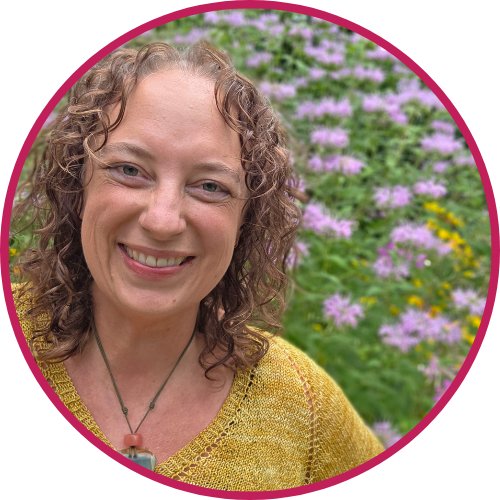
Rosalee is an herbalist and author of the bestselling book Alchemy of Herbs: Transform Everyday Ingredients Into Foods & Remedies That Healand co-author of the bestselling book Wild Remedies: How to Forage Healing Foods and Craft Your Own Herbal Medicine. She's a registered herbalist with the American Herbalist Guild and has taught thousands of students through her online courses. Read about how Rosalee went from having a terminal illness to being a bestselling author in her full story here.